



A message from the Executive Board and CEO
This year, World Vision marks its 75th anniversary. An impressive milestone, yet one that raises a profound question: how do you celebrate as a humanitarian organisation when injustice, poverty, and vulnerability still persist?
T
his is a moment of gratitude and reflection. We return to our roots, to the words of our founder, Bob Pierce: “Let my heart be broken by the things that break the heart of God.” This is not a slogan, but a prayer. A calling.
For 75 years, people have responded to that prayer – staff, volunteers, partners, and our donors and sponsors. Thanks to your commitment, we reached millions of vulnerable children worldwide. You give not only resources, but hope. You make the difference between mere survival and a life lived to the fullest.
Today, in an increasingly complex world, we remain faithful to our mission. We keep our focus where it truly belongs: on the child who longs to sleep safely, the girl determined to go to school, the boy daring to dream. We stand with every child, regardless of background or belief.
The need is greater than ever, while global aid declines. Governments cut almost half of emergency relief, leaving children in disasters and poverty at risk. Yet together, we keep going, saving lives and bringing hope. We stand firm because it must be done, and it can be done together.
I am grateful that we can look back on a fruitful year in which our income grew once again, and we worked together to build a world where every child can experience life in all its fullness.
I am very proud to present our Annual Report to you, detailing our impactful work in 2025, made possible by the generous contributions of our donors.
Thank you!
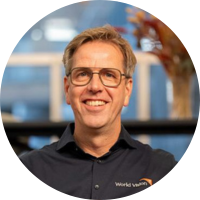
Marco van der Graaf
Executive Board and CEO World Vision Nederland




01 WE ARE
WORLD
VISION
World Vision was founded in 1950, and World Vision Nederland started in 1981 as an independent legal entity within the World Vision Partnership. Guided by 75 years of experience and expertise, our dedicated staff employ proven and effective development and relief practices to empower communities to become self-sufficient and bring real, lasting change.
We stand with the world’s most vulnerable children, to help them overcome poverty and experience life in all its fullness. We work alongside children – regardless of background or belief – inspired by our Christian faith.
As a leading global partner, we labour alongside supporters, stakeholders, families and communities to transform lives and offer hope. As a result, all our lives are enriched. Together, with our partners, we have positively impacted the lives of more than 200 million vulnerable children around the world.
World Vision Nederland is a registered foundation based in Amersfoort, the Netherlands. Since its establishment, World Vision Nederland has focused on supporting vulnerable children in developing countries by raising funds and awareness. In financial year 2025*, the total income raised by World Vision Nederland reached nearly €37 million, which we used to support more than 1 million vulnerable children in 25 countries.
* Financial Year or FY: World Vision’s financial year is from October 1 – September 30 of each year.
Our vision
The vision statement of World Vision is as follows:
Our vision for every child: life in all its fullness.
Our prayer for every heart: the will to make it so.
World Vision Nederland understands the phrase life in all its fullness in the most holistic sense possible: in our vision, it includes material, social and spiritual wellbeing. We partner with communities, donors, other organisations and people of all faiths and ideologies, collaborating based on our shared values of justice, love and hope, which we believe are vital to the fulfilment of God’s purpose.
Our mission
While our vision embraces every child, our focus is on the most vulnerable – those furthest from life in all its fullness. Enabling these most vulnerable ones to see this purpose fulfilled in their lives requires people around the world to act together for their wellbeing. This, we believe, is God’s ‘world vision’. We seek to participate in this vision by placing ourselves wherever our ministry distinctiveness can best contribute and inspire others to have the will to make it so.
Our prayer: the will to make it so for 50,000 hearts in the Netherlands.
In the World Vision Nederland Strategy for FY21-25, we have identified three strategic goals: Greater impact, for more vulnerable children; more sustainable funding, from more donors; more hearts engaged and more influence, based on heightened visibility of World Vision’s identity. To enable the organisation to achieve the above goals, World Vision Nederland has formulated an internal, enabling goal: invest to grow. Thanks to the generous support of individuals, churches, corporate partners and institutional donors, we have made important progress in these initiatives over the past year.
Our New Strategy for FY26-FY30
In September 2025, the Supervisory Board approved World Vision Nederland’s new FY26–FY30 strategy. The strategy sharpens our identity in the Dutch context and strengthens alignment with our global mission to serve the most vulnerable children. It introduces several important shifts for the coming years: a clearer and more distinctive brand position; stronger synergy between public and private fundraising; and a renewed focus on building a broad movement of supporters in the Netherlands. Operationally, the strategy commits us to disciplined execution through Scaling Up practices, improved multi‑year budgeting, targeted leadership development, and investment in digital engagement and funding diversification. These changes will guide our programmes, partnerships and organisational development in the short and medium term, ensuring that our activities remain effective, transparent and future‑fit while staying true to our Christian identity and mission.
Why we do what we do
We do what we do because all around the world, far too many children still suffer because of injustice. They grow up in poverty, live with hunger, without safety or hope for a better future. That’s not just sad or painful – it’s unbearable. It moves us deeply, and we feel in our hearts: this must stop. We feel called by God to do something about it, because every person is precious.
Together with passionate people across the globe, we take action for children in the most vulnerable situations. So that they can flourish, play, learn and be a little cheeky. And we see it every day: it works.
Because when we unite our strengths around the world, something remarkable happens. We truly make the world better, more hopeful, and more beautiful – for and with children. Because it must be done. Because it can be done. And because it’s possible when we do it together.
Our Core Values
Our Core Values are aligned with World Vision International and we have defined these as following:
- We are a Christian organisation
- We are committed to the poor
- We believe every person is valuable
- We are stewards
- We are trustworthy partners
- We respond swiftly and decisively
In the Netherlands, aligned with our international mandate we want to be consistent in all we do and say by focussing on four key elements: We stand up against injustice, we make it happen, we are a global movement and we make our results and impact visible.

02 WHAT DID
WE ACHIEVE
IN 2025
In FY25 we supported over 1 million children across 51 projects in 25 countries. Our work benefited more than 2.2 million people in total.
CHANGING THE WORLD FOR CHILDREN
Our focus is helping the most vulnerable children to overcome poverty and experience fullness of life. By empowering communities to set their own goals, progress lasts long after we leave. Through long-term Area Programmes and shorter projects funded by sponsors and partners, we tackle root causes of poverty and strengthen sustainability. When disaster strikes, we respond quickly and stay to rebuild lives.
Emergency Relief
Conflicts, disasters and emergencies leave children extremely vulnerable. Nearly 300 million people need humanitarian aid today, over half of them children. Crises are more complex, and climate change drives severe disasters. For 75 years, World Vision has responded with partners, reaching millions of children every year.
Transformational Development
Poverty brings suffering, vulnerability and broken relationships. Our Transformational Development combats these barriers, aiming for life in all its fullness for every child. We improve child well-being through evidence-based programmes, local ownership and addressing injustice. Thanks to sponsors, we invest long term in Area Programmes to enable lasting change.
Advocacy
Advocacy is how we work to transform unjust systems and shift power for children. Rooted in our faith and community partnerships, we influence policies, mobilise public action, lead campaign efforts, and champion the voices of children – especially the most vulnerable – so they can thrive, be heard, and help lead change. We do this in the countries we work in for example by encouraging and educating communities, including children to speak up for their rights. In the Netherlands, we do this by engaging in advocacy – directly with our government and through our interactions with politicians and civil servants.
CHANGING SYSTEMS, ELEVATING CHILDREN’S VOICES
World Vision is committed to systemic change and child protection through policy influence and advocacy. Advocacy is essential to improving the lives of vulnerable children and their communities. Two strategic objectives guide our approach: positioning and influence. With our global presence in areas of need and instability, our long-term relationships with local communities, and our strategic offices in Geneva, Brussels, and New York, World Vision holds a unique position. We recognise the calling to use this position to confront unjust systems that undermine children’s wellbeing.
In The Hague, World Vision Nederland serves as a bold voice for children, working to strengthen the role of children within Dutch foreign policy. Children are often the first victims of violence and poverty, and their suffering in countries such as Sudan, Democratic Republic of Congo, and the occupied Palestinian territories deeply affects us. Yet we believe that investing in children brings hope – for investing in a child is investing in the future.
Drawing on data produced with partners such as Ernst & Young and the expertise of our local partners; World Vision Nederland played a decisive role in 2025 in the appointment of an ambassador for children in conflict and development contexts at the Ministry of Foreign Affairs. Since then, we have worked closely with the Ministry to reinforce the position of children and to remind the Netherlands of its obligations under international treaties, including the Convention on the Rights of the Child.
World Vision is equally committed to depoliticising development cooperation, believing that aid must first reach those who need it most. In 2025, alongside experts from the business and financial sectors, we demonstrated to Members of Parliament that investing in the most vulnerable ultimately benefits society as a whole. These efforts contributed to an increased budget for NGOs and civil society organisations, ensuring that resources remain available without prioritizing Dutch self-interest.
We also advocate for the world’s most fragile and forgotten crises, including Sudan, the West Bank, Syria, and Afghanistan. In FY25, we focused particularly on Eastern Congo, where sexual violence, hunger, and conflict devastate children’s lives. Through parliamentary engagement and discussions with the Ministry of Foreign Affairs, we strongly advocated preserving the Great Lakes Programme, which had been slated for phase-out. Thanks to these efforts, continuation has been secured, with negotiations on its scale ongoing. This enables organisations like World Vision to keep working for greater safety and stability for the most vulnerable children – especially amid escalating violence. We thank the Dutch government and all decision-makers for their constructive cooperation.
“My colleagues dedicate themselves daily to children in the most dangerous places. They remind me that we must be present where decisions are made. World Vision is valued in the political arena because we operate independently – free from political convictions or self-interest, focused solely on one goal: life in all its fullness for every child!”
Nolan Roffelsen, Lobby & Advocacy, World Vision Netherlands

Afghanistan
Delivering lifelines in times of crisis
Water | Healthcare
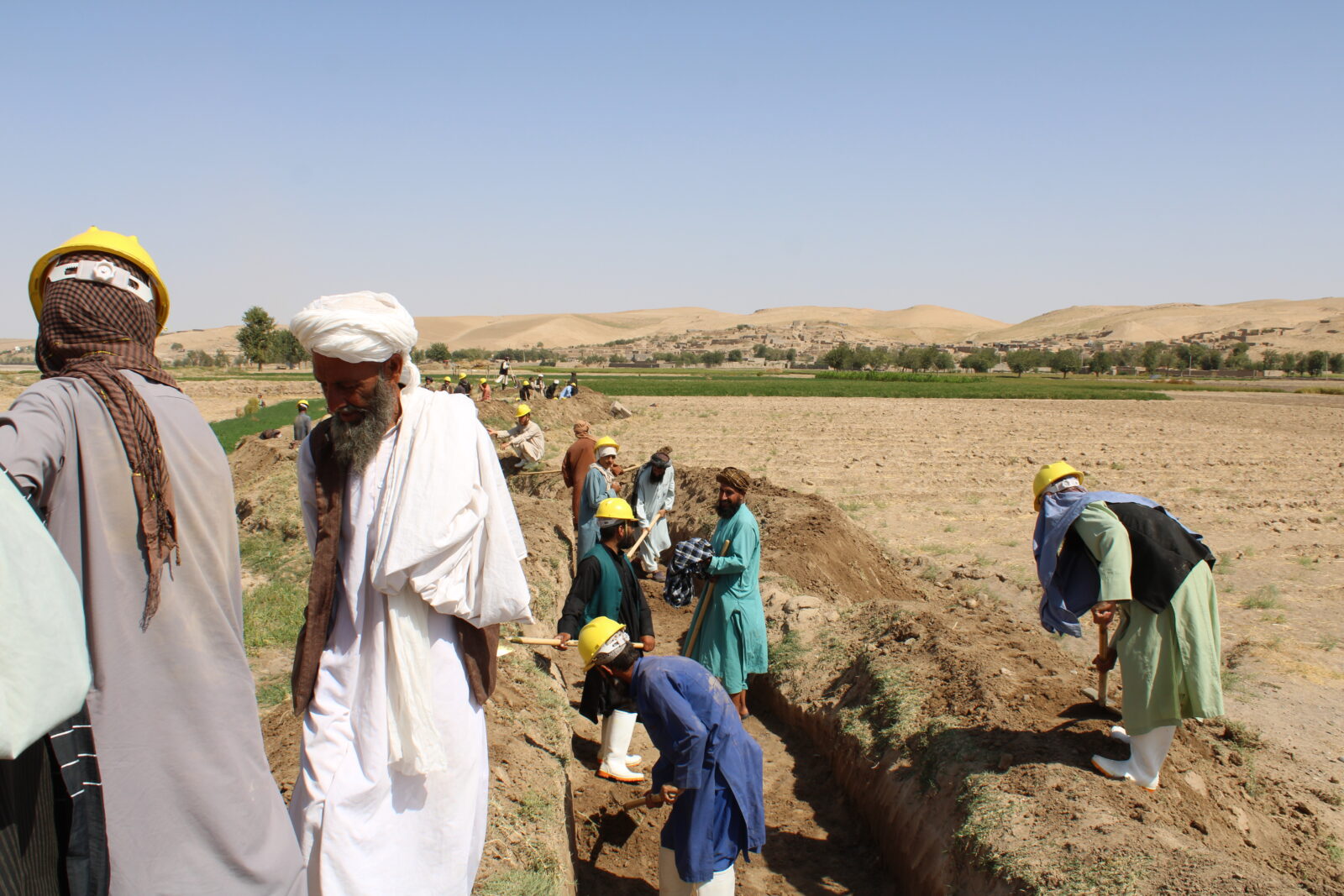
Deep historical wounds and overlapping crises of drought, economic collapse, restricted rights for women, and forced returns create a relentless humanitarian trap in Afghanistan. 24 million Afghan people, over half of the country, need humanitarian assistance. Climatic shocks, such as droughts and erratic rainfall have destroyed harvests, leading up to 14 million people with a lack of food. The health system is crumbling as hundreds of health facilities have shut down, reducing access to essential services just when needs are skyrocketing. In 2025, multiple earthquakes also struck the country, driving the needs of the population. On top of that, the year was characterized by more than 2 million forced returns of Afghan migrants living in neighboring countries, escalating the already high pressure on weak public services.
What we do
Together with other members of the Dutch Relief Alliance (DRA), World Vision responds to the high needs in Afghanistan. To enable farmers to cope with the decreased rainfall, World Vision provided certified wheat seeds and climate smart agriculture training. Five water networks were constructed to provide clean water for household use to nearby houses as many boreholes dried up in the last few years. To guarantee the sustainability of the water network, several members of the community were trained as members of the Water Management Committees (WMGs) on operation and maintenance of the water systems. With the health system on the brink of collapse, World Vision adopted a real focus on healthcare for the most vulnerable, particularly women, girls and children. Through three well-staffed and equipped health centres, World Vision provided primary health care consultations, mental health care, maternal and child health care as well as nutrition services to malnourished children, providing a real lifeline for 41.524 people.
CENTRAL AFRICAN REPUBLIC
Responding where help is hardest to reach
Education | Emergency relief
Topping the list of forgotten crises, the Central African Republic (CAR) is one of the poorest countries in the world. Years of conflict, political instability, and underdevelopment have resulted in one of the world’s most neglected humanitarian crises. The Central African Republic (CAR) ranks fifth on the INFORM Risk Index and is currently experiencing a complex humanitarian crisis, characterized by poor socio-economic indicators, limited access to basic social services, and a severe food crisis. Continued violence and natural disasters such as floods and wildfires are also of great concern. Civilians are bearing the brunt of continued violence. Displacement affects 1 in 5 Central Africans. Essential social services are lacking, and 4.3 million people need humanitarian aid, while the annual budget required to meet those needs is less than 30% funded.
What we do
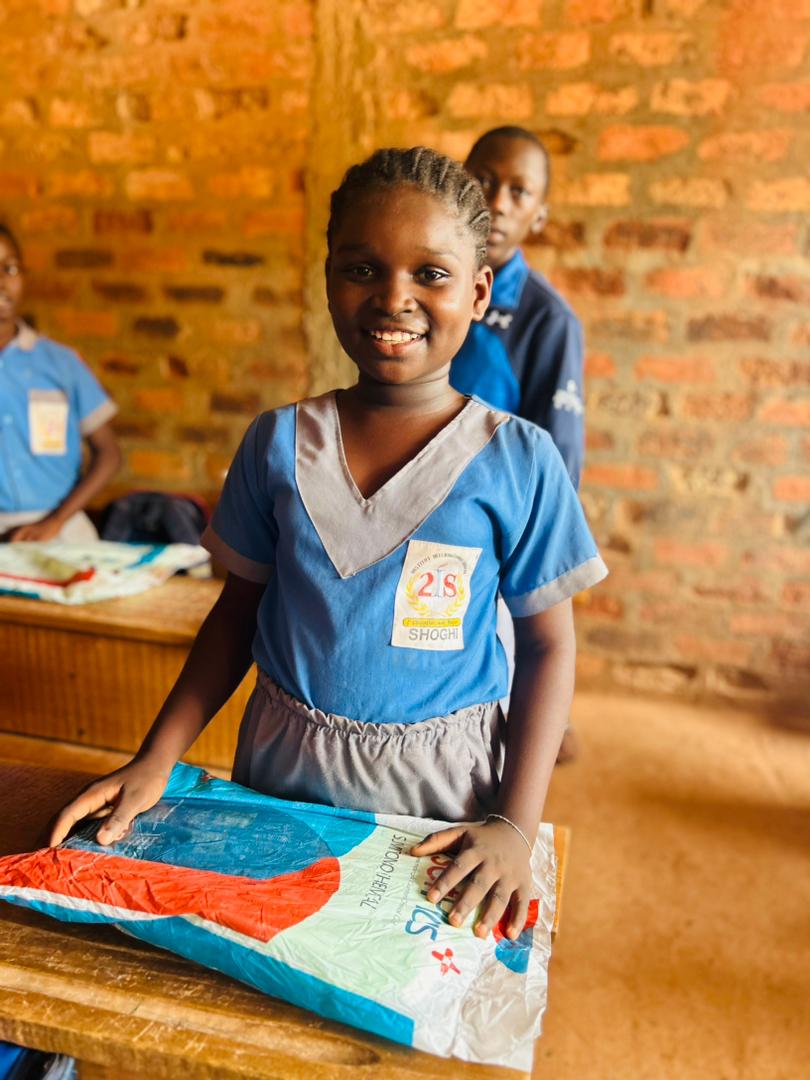
Due to roadblocks, insecurity and poor infrastructure, 45% of communes in the Central African Republic are classified as hard-to-reach. World Vision operates in those areas which are most exposed to hardship. In the remote north (Vakaga) and south (Mbomou) of the Central African Republic, World Vision implements a comprehensive education project. These regions have seen a collapse of the education system, with less than 20% of the school being functional. Schools lack materials and decent classrooms while teachers are either unpaid, displaced or underqualified.
The project, which started in 2025, increases access to inclusive education for children between 6 and 15. Through catch up classes, the goal is to get children who missed education (because of displacement or other reasons) back into the formal education system. Additionally, World Vision rehabilitates schools and classrooms and equips them with sanitary facilities. Teachers are trained to meet the quality standards for education. To ensure sustainability of World Vision’s project, all actions are well coordinated with the ministry of Education in the Central African Republic.
Parallel to the education interventions, World Vision responds to sudden onset crises in these remote areas. For instance, ethnic tensions and armed conflict between displaced people and host communities regularly arise, creating acute needs to be addressed, such as shelter, food, water and cash assistance.


Rwanda
Strengthening economic resilience among refugees
Livelihoods | Social empowerment
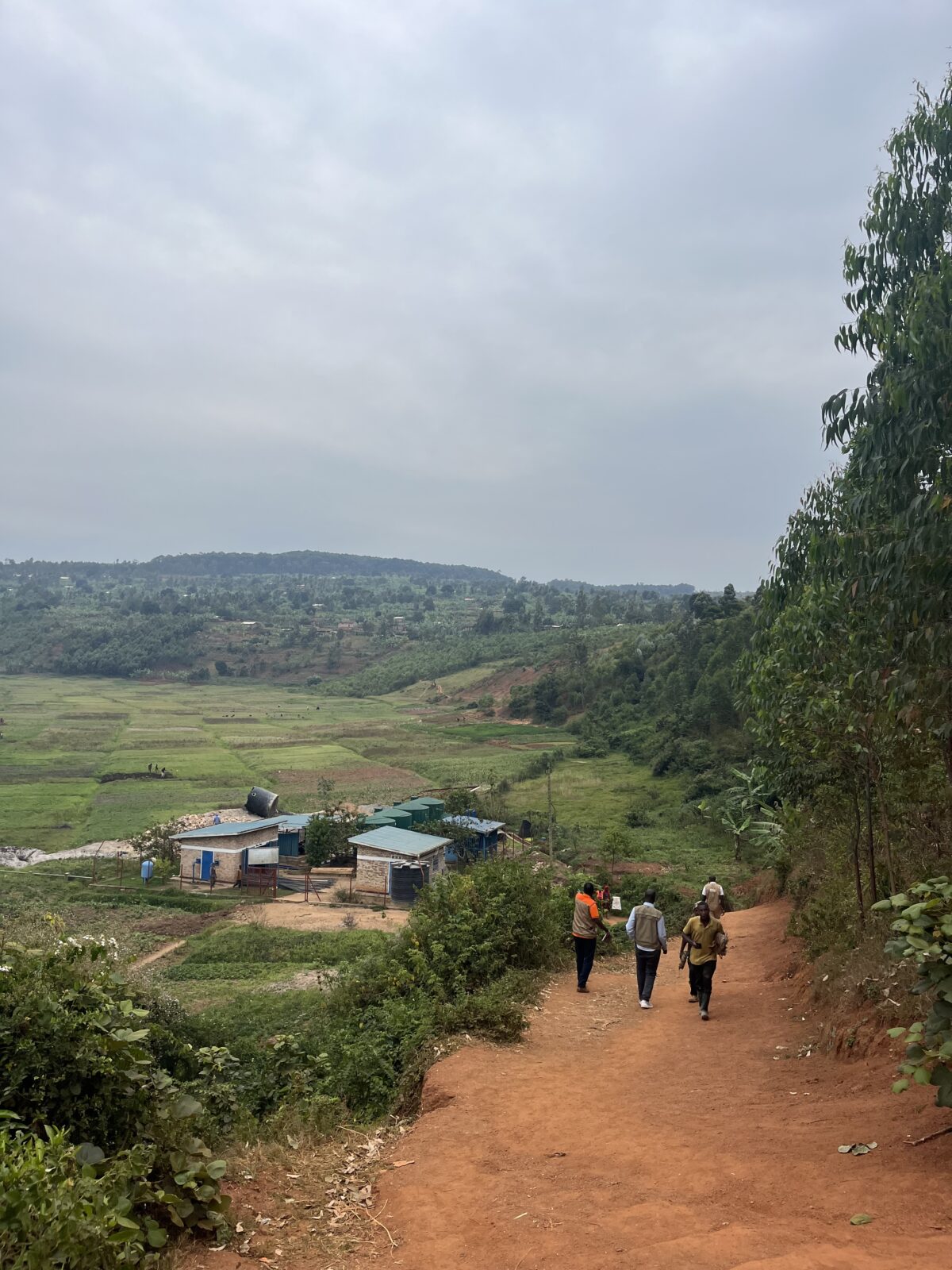
A mayor achievement of 2025 is the start of the EU funded Dukore Twigire Project in Rwanda. The project aims to strengthen economic resilience among refugee and host communities in Rwanda through inclusive livelihoods, financial inclusion, and social empowerment. Implemented by World Vision Rwanda, Caritas Rwanda and Rwandan Organization for Development Initiatives (RODI), the project will support 2.133 households with trainings, productive assets and consumption cash. It will also build the capacity of local Civil Society Organizations (CSOs) by providing them with small grants to implement activities focussed on nutritional best practices and organisation of trade fairs and community events. These efforts aim to build local capacity, promote food security, and stimulate inclusive, community-driven economic development.
In July 2025, the project successfully started with a comprehensive start-up workshop in Rwanda, bringing together World Vision, Caritas Rwanda, and Rwanda Organization for Development Initiatives (RODI) to align on programme design, donor requirements, and grant management. Field visits to Mugombwa and Kiziba refugee camps highlighted the urgent need for livelihood support and showcased the impact of similar previous projects. Beneficiaries shared how start-up capital enabled them to launch small businesses, improve household income, and improve self-reliance. In September at the national-level launch, the project was officially opened by the Rwandan Minister of Emergency Management (MINEMA) and the EU Ambassador, underscoring the high-level support and recognition of World Vision Rwanda’s role in advancing sustainable development and refugee inclusion in the country.
Democratic Republic of Congo
In FY25, World Vision Netherlands supported the people in eastern-DRC through 3 different projects.
DRA Protracted Crisis Joint Responses
From 2024 through 2026 World Vision is the lead of the Dutch Relief Alliance Protracted Crisis Joint Response in the provinces of North and South Kivu in eastern DRC. Together with 4 other INGOs, and 7 local partners, thousands of families are supported through a multi-sectoral response. World Vision implements its activities in Beni Territory, in North Kivu. Partners work together to implement a multi-sectoral response, with activities in food-security and livelihoods, WASH in communities and schools, education in emergency and protection.
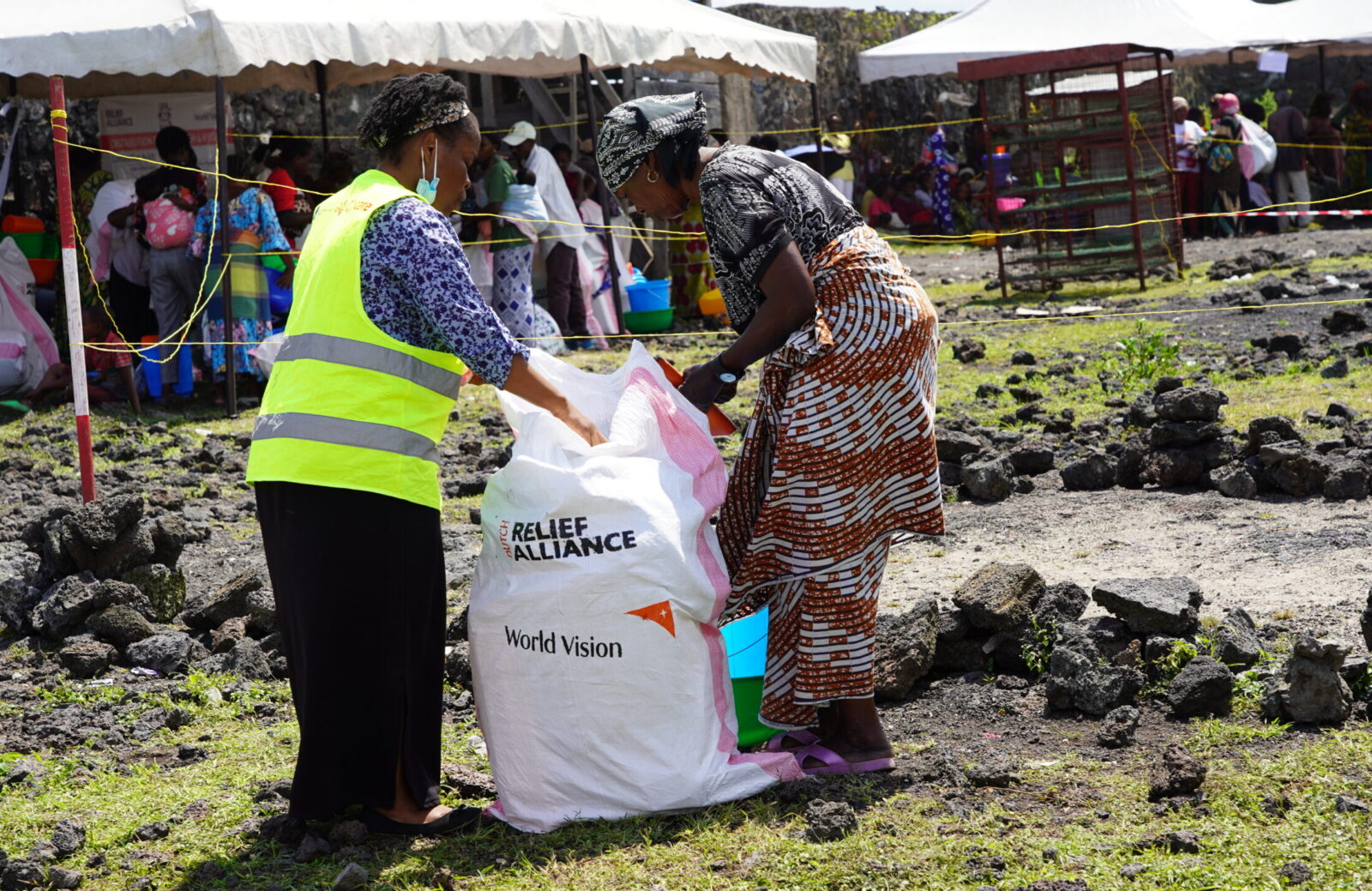
To respond to the urgent needs after the new escalation of the conflict around Goma, the crisis-modifier funds of the project were used. The partners, including World Vision, made over €400.000 available to support the affected people around Goma in February 2025, and €225.000 for Beni Territory in August 2025. Safe drinking water was made available through emergency water trucking, and provision of aquatabs for water treatment. WASH kits for families and dignity kits for women and girls were provided to meet their hygiene needs. Kits distributions were accompanied by hygiene awareness raising. Cash distribution was done so that affected people could meet their immediate dietary needs. A strong protection component was added to the intervention. Gender-based violence related issues are widespread and prevalent in the DRC, only exacerbated by the conflict. Child protection was implemented through restoring links between separated children and their families, as well as the establishment of child-friendly spaces.
DRA Acute Crisis Joint Response
Additionally, €3 million was made available by DRA to start an Acute Crisis Joint Response, of which World Vision Nederland implemented about €500.000. For this response, World Vision reached 3.230 households with WASH activities. Vulnerable families received NFI/WASH kit containing items such as buckets, cooking pots, cups, soap and bowls. Women additionally received dignity kits containing, amongst others, clothing fabric, underwear, pads, razors and a bucket. Lastly, 109 showers and 109 latrines were constructed by our female-lead local partner UFP, providing in the need of safe excreta disposal, and dignified bathing conditions.
EKN I-WASH
In South Kivu, World Vision Nederland supports a WASH project, funded by the Dutch Ministry of Foreign Affairs of the Netherlands, through the embassy in Kigali. Faced by serious implementation challenges because of the escalation of the conflict in the province after the take-over of M23, the project had to be on hold for a few weeks. In close collaboration with the embassy, we have identified an altered way of working, ensuring our own safety, as well as still being able to support the people in the communities. Thousands of families are supported through provision of clean drinking water, implementation of the community-led total sanitation process, and construction of latrines and showers on key locations. Up until now the project has constructed and rehabilitated 68 simple sources, serving 89.814 people with clean drinking water in communities. 18 school are supported by construction of latrines, provision of clean drinking water and hygiene awareness. 16 health centres are supported by construction of latrines and showers, as well as medical waste management facilities. The project initially lasted until October 2025, but due to the delays the project is extended until March 2026.

Middle East Crisis Response
Helping children caught in the crossfire of conflict
In the Middle East, violence across the region escalated and children and families are caught up in the conflict, with tens of thousands killed, injured, suffering from acute malnutrition, and more than 1.7 million people displaced. Our teams are on the ground in the West Bank, Lebanon and Syria. We are responding to the current crisis – just as we have done so to previous outbreaks of violence. Our staff have decades of experience working in the most difficult contexts.
West Bank
Strengthening protection and resilience amidst increasing political violence
Child protection
Amid escalating political violence and deteriorating protection conditions in the West Bank, children and families continue to face heightened psychosocial distress, disrupted education, and reduced access to safe spaces. In response, World Vision Nederland, through its Jerusalem–West Bank–Gaza (JWG) office and with funding from GIRO555, launched the Strengthening Protection and Resilience Amidst Increasing Political Violence in the West Bank project. The initiative addresses urgent protection needs while promoting community resilience and safer environments for children across the Central, South, and North zones.
The project enhanced children’s and caregivers’ awareness of protection rights and services by developing and disseminating context-appropriate Information, Education and Communication (IEC) materials. Created with input from the Child Protection Network (CPN), these materials were distributed to 4,229 children and 139 adults, increasing understanding of child rights and referral pathways.
It also strengthened the capacity of child protection actors through a finalized, contextualized Psychosocial Support (PSS) manual and curriculum. Training of Trainers (ToT) and Training of Facilitators (ToF) sessions were held in the Central and South zones, equipping 8 CPA coordinators and 80 facilitators with practical skills to deliver quality PSS and protection interventions.
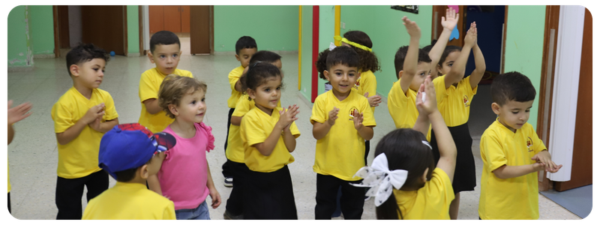
Direct psychosocial support was provided to children affected by violence and insecurity. PSS sessions for kindergarten children in the Central Zone reached 304 children, while structured sessions for older children are ongoing in Makani and Adolescent Impact Clubs, aiming to reach more than 1,000 children across both Central and South zones. These sessions promote coping skills, emotional resilience, and safe social interaction.
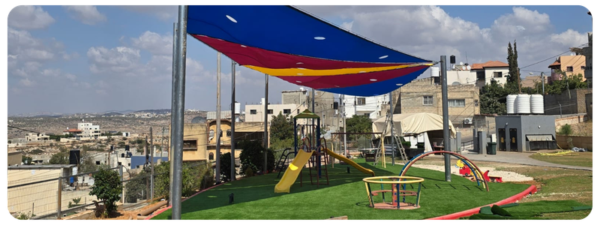
Finally, community resilience was strengthened through the rehabilitation of 10 Safe Play Areas (SPAs) across the West Bank. All rehabilitation works in the South Zone (Janata, Za’atara, Kurza, Khursa) and most in the Central and North Zones (Masha, Sarta, Deir Ballout, Deir Istya, Hajja, Jayyous) have been completed or are in the final stages, including installation of playground equipment, benches, and artificial grass. These spaces now offer safe, inclusive, and child-friendly environments that foster play, learning, and psychosocial recovery.
Through this comprehensive approach, WVNL’s GIRO555-funded project is not only meeting immediate protection and well-being needs but also strengthening community systems to safeguard children and enhance resilience amidst ongoing instability.
Lebanon
Helping children stay in school amid conflict
Education
Following the escalation of hostilities in 2024, South Lebanon experienced severe educational disruptions as displacement and economic decline pushed thousands of children out of school. In response, World Vision, with GIRO555 funding, launched the Education Retention Program to safeguard learning continuity and strengthen resilience among both Lebanese and Syrian children.
The program supported 808 children (405 girls, 403 boys) across two public schools in South Lebanon through structured education and psychosocial support (PSS) interventions. Between February and June 2025, World Vision Lebanon (WVL) delivered 162 educational sessions and 12 integrated PSS sessions, completing a full cycle of support in line with national education sector guidance. In parallel, 411 female caregivers received PSS and Explosive Ordnance Risk Education (EORE) sessions, strengthening community safety awareness. All participating children were provided with stationery kits, while households benefited from four months of cash-for-education assistance, with another four months underway to complete the planned eight-month cycle.
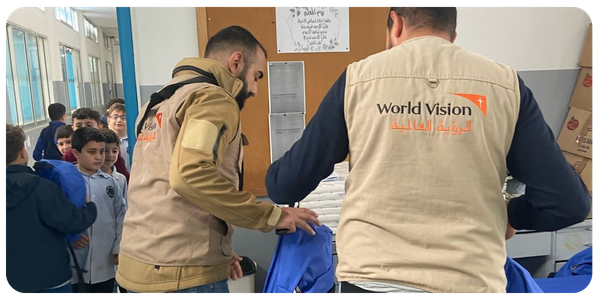
The Post-Distribution Monitoring (PDM) findings confirm the programme’s strong relevance and impact. Nearly all families (99.5%) reported no safety risks in collecting assistance, and 97.9% expected the cash support to improve school attendance. Spending shifted toward education essentials such as stationery, books, and internet access – demonstrating the intervention’s role in offsetting the financial barriers to learning. Despite challenges related to agent liquidity and exchange rates, the accuracy and timeliness of transfers improved in the second round, with most respondents satisfied with the clarity of communication and support.
In parallel, 28 teachers were recruited and trained on inclusive education, safeguarding, gender sensitivity, and accountability. Through structured coaching and classroom observation, measurable improvements were recorded in teaching quality, student engagement, and behaviour.
To further enhance access to safe learning environments, WVL – working closely with the Ministry of Education and Higher Education (MEHE) – shifted from partial upgrades to comprehensive rehabilitation of three public schools, aligning with MEHE’s whole-school approach. Rehabilitation will ensure safer, more inclusive facilities for both Lebanese and Syrian students.
Additionally, WVL installed a water-pump system benefiting nearly 4,000 individuals in nearby villages, improving access to potable water. Together, these efforts are restoring stability, dignity, and hope for vulnerable children and families while strengthening the education system’s capacity to withstand ongoing crises.
Syria
Helping children survive winter through essential relief
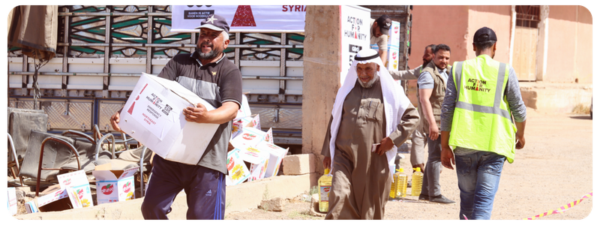
In northeastern Syria, World Vision and its partner AFH provided life-saving humanitarian assistance in the underserved Hajin area of Deir ez-Zor, targeting vulnerable and unregistered Syrian and Lebanese refugee families who had entered through irregular crossings. The intervention addressed urgent winter and food security needs, in coordination with local working groups.
A total of 185 households were selected based on vulnerability criteria – primarily family size and the number of children under five – developed by WV’s MEAL (Monitoring Evaluation Accountability and Learning) team. Families received winter emergency kits containing six blankets, two carpets, and six mattresses. This was followed by three rounds of food assistance, with baskets including staple items such as rice, lentils, bulgur, beans, oil, flour, and tea. To ease transport, households also received cash assistance.
The assistance aimed to stabilise households and reduce vulnerabilities aggravated by displacement and lack of access to services. Post-Distribution Monitoring (PDM) is ongoing to assess the relevance, timeliness, and impact of the response.

Myanmar
Live-saving assistance after strong earthquake
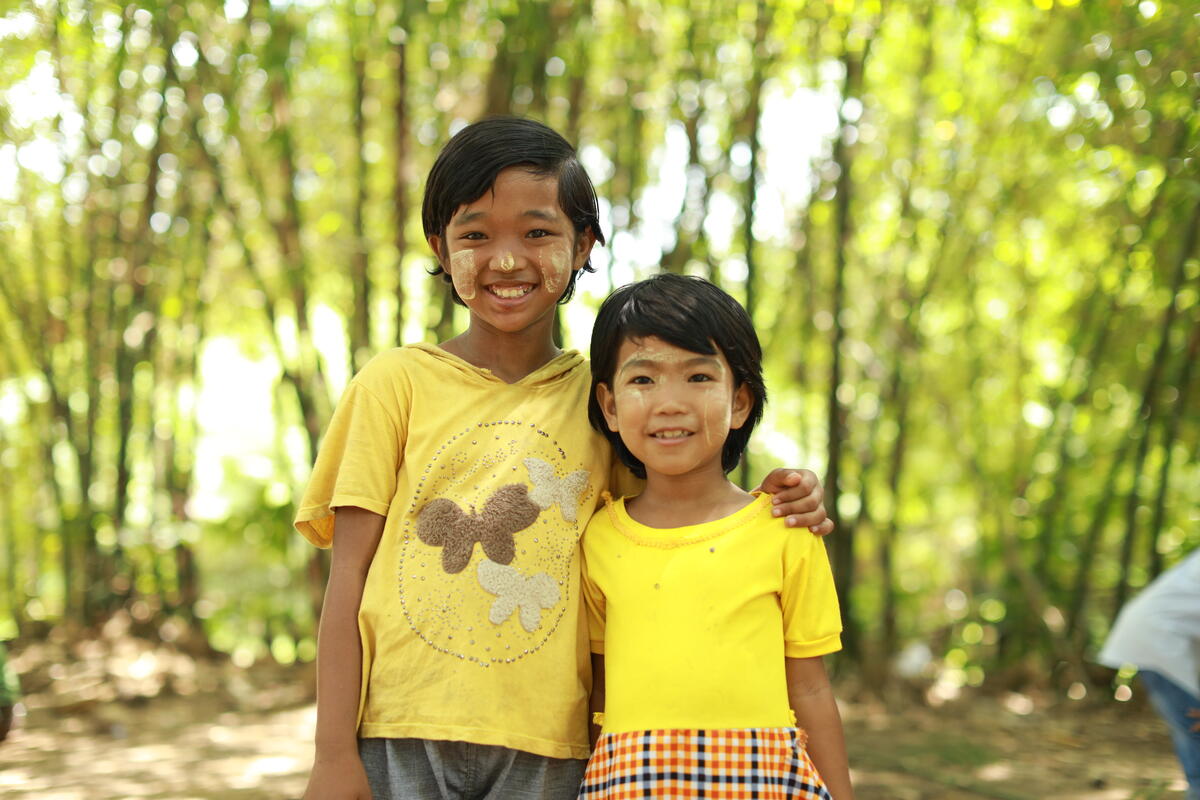
On 28 March 2025, Myanmar was hit by its strongest earthquake in a century – a magnitude 7.7 quake near Mandalay and Sagaing. The shallow depth amplified the destruction, collapsing homes, hospitals, and infrastructure across central Myanmar. Tremors were felt as far as Bangkok. More than 5,400 people lost their lives, thousands were injured, and tens of thousands displaced, adding to an already dire humanitarian crisis.
The earthquake struck amid ongoing conflict. Four years after the 2021 military coup, Myanmar remains engulfed in civil war. Entire regions have become battlegrounds, with non-state actors controlling large areas. Violence surged through 2025, displacing over 3.5 million people and leaving many areas inaccessible. Planned elections offered little hope for peace, while diplomatic fatigue risked normalizing relations with the junta despite worsening conditions.
Humanitarian needs were already staggering 19.9 million people – one-third of the population – require assistance, including 6.3 million children and 7.1 million women. Food insecurity affects 15.2 million people, and health and education systems are near collapse.
In this context, World Vision acted immediately after the earthquake. Leveraging its long-standing presence, teams delivered life-saving assistance: food, clean water, tarpaulins, blankets, hygiene kits, and psychosocial support. Child-Friendly Spaces were established to protect children, while mobile health clinics and water purification measures helped prevent disease outbreaks. These efforts focused on the hardest-hit areas of Mandalay and Sagaing, reaching hundreds of thousands in urgent need.
To scale up, the Dutch Relief Alliance (DRA) launched an Acute Crisis Joint Response on 1 April 2025, led by World Vision and supported by CARE, ZOA, Cordaid, and Tearfund. The overall joint response targeted over 70,000 people with multi-purpose cash assistance (MPCA), WASH interventions, and protection services. Together with local partners, World Vision reached 25,000 people in the townships of Mandalay, providing safe drinking water to 12,500 individuals to counter the loss of reliable water sources. Further, hygiene kits were distributed to 25,000 people. Additionally, 1,572 households received a one-time cash transfer that enabled families to meet urgent needs and supporting local markets to recover.
Despite damaged infrastructure and ongoing conflict, the coordinated effort together with the DRA ensured timely and effective aid delivery – bringing hope to communities facing one of Myanmar’s most challenging years.
Philippines
Building peace through children in North Cotabato
Peacebuilding
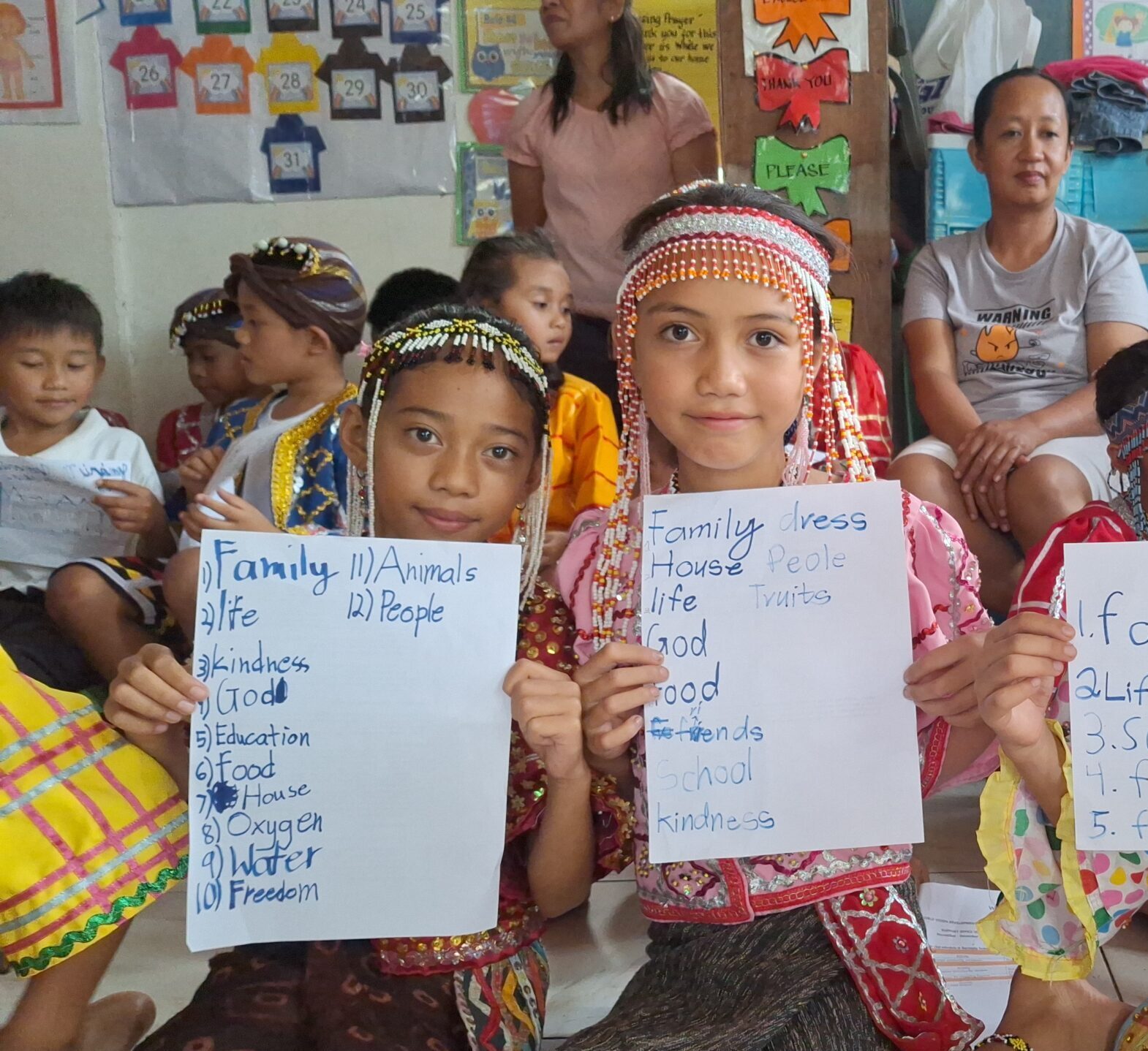
In North Cotabato, the area programme of World Vision has been nurturing the next generation of peacebuilders, equipping children with the understanding and skills to shape peaceful communities. Through playful and culturally tailored activities – such as the evocative “lion and rabbit” game – children learn to identify fears and anxieties symbolised by the lion, recognise their support systems represented by the rabbit, and build resilience in a safe, communal environment. Steph, aged 11, describes how these interactive sessions not only make her feel included but also help her and her friends recognise when they’re unsafe and how to respond effectively.
Oliver, who has been with World Vision for 13 years, emphasises that instilling a culture of peace starts with educating children about its value from an early age: “If you let children understand the value of peace from a young age, it grows with them and becomes part of their life and culture”. Beyond the children themselves, the wider community – including local authorities – has embraced and participated in these peace education initiatives, fostering broader awareness and commitment to peace.
World Vision’s peacebuilding approach in North Cotabato demonstrates how investing in children as peace stakeholders not only transforms their own lives but also strengthens the social fabric of their communities. By integrating playful learning, facilitated dialogue, and institutional partnerships, these programmes are sowing enduring seeds of peace and resilience.

Collaborating for more impact
Together, we can achieve even greater impact by working collaboratively to address the complex challenges faced by the world’s most vulnerable children. World Vision recognises the importance of partnerships at all levels, from local communities to global alliances, to create lasting change. By combining our resources and expertise with likeminded organisations and donors, we can make a significant difference in the lives of those in need.
In FY25, World Vision Nederland continued to strengthen strategic partnerships that enable us to deliver impactful humanitarian and development assistance worldwide. Through the Dutch Relief Alliance (DRA), we provided lifesaving support in Afghanistan (ACJR & PCJR), the Democratic Republic of the Congo (ACJR & PCJR), Haiti, Lebanon, Mozambique, Myanmar, and Somalia (PCJR), while the acute responses in Chad and Sudan also extended into FY25. We partnered with the Dutch Ministry of Foreign Affairs through the Embassies of the Kingdom of the Netherlands to advance projects in the DRC and Uganda.
Our collaboration with the European Union (ECHO) facilitated humanitarian interventions in the Central African Republic and South Sudan, while INTPA support enabled development initiatives in Rwanda and China. Additionally, UN partnerships contributed to responses in the DRC, Sudan, Somalia, Vietnam, and Zambia.
All these partnerships remain vital in addressing urgent needs and fostering sustainable change in some of the world’s most fragile contexts.
Together with The Hunger Project, CEGAA, Max Foundation, and Save the Children, we partner with the Dutch Ministry of Foreign Affairs in the Right2Grow alliance to reduce malnutrition for children in Mali, Ethiopia, South Sudan, Uganda, and Bangladesh. FY25 marked as a closing year, with the final close-out of the programme in December 2025.
Through Giro555 (consisting of 9 Dutch collaborating humanitarian organisations), we were able to address urgent needs for many people in the Middle East Crisis since October 2024.

03 FUNDRAISING AND
COMMUNICATION
The primary goal of the fundraising and communication activities is to raise the resources needed to transform children’s lives. We do this by connecting with people and organisations across the Netherlands who share our vision of a world where every child can thrive. From private individuals and business leaders to churches, and corporate foundations, each relationship begins with a conversation – sharing stories of hope and the possibility of change.
As these connections grow, so does the impact. Supporters bring their unique strengths, enabling us to respond to urgent needs and create lasting solutions. We are very proud of our growing community of supporters, whose commitment and generosity are helping us move closer to a future where every child experiences life in all its fullness.
Communication
Building brand awareness
In FY25, the communication efforts focused on strengthening World Vision’s brand presence in the Netherlands. A key milestone was the development of a dedicated WVNL brand narrative – an essential foundation for consistent and impactful communication across all target audiences.
World Vision is a globally recognised organisation. Our challenge was to translate this international identity into a compelling story for the Dutch market. Through collaboration across the organisation, we successfully crafted a Dutch brand narrative that reflects both our global mission and our local relevance.
To support this, we introduced the Communications Passport – a practical guide that brings our brand story to life. It provides tone of voice guidance, sample language and imagery, and shows how to apply our narrative across different formats, helping us connect with supporters in a unified and inspiring way.
Connecting with our donors and sponsors
In 2025, we dedicated ourselves to keeping our donors and sponsors informed, engaged, and inspired. Through diverse communication channels, we shared stories of impact, urgent appeals, and updates that demonstrated the difference the support of our donors makes.
We strengthened our online presence by improving search visibility and keeping our website regularly updated for easy access to information. A fresh visual identity was introduced across all platforms, ensuring a consistent and recognisable look. Our inspiring publications included two themed magazines – Water and 75 Years of World Vision – celebrating milestones and progress.
In addition, we responded swiftly to urgent needs through emergency appeals for Eastern Democratic Republic of Congo, Myanmar, and Afghanistan, and actively collaborated on the Giro555 Middle East appeal to amplify impact. Regular newsletters, video updates for sponsors, and printed materials kept supporters engaged, while our partnership with Zip Your Lip enhanced youth engagement through improved digital presence and campaign materials.
Content and Channel impact
Throughout the year, we published a wide range of content – text and visuals – highlighting World Vision’s work. These were distributed across our key communication channels:
- Website
- Social media
- Letters and emails
- Media outlets
This consistent and strategic communication has contributed to a stronger brand presence and deeper engagement with our audiences.
In the media
We appeared in the media more than 30 times in 2025, with coverage in newspapers such as Het Parool, Nederlands Dagblad, Trouw, Reformatisch Dagblad, and Friesch Dagblad. With stories about humanitarian crises in Sudan, Myanmar, DRC, and Syria. The Myanmar earthquake and the work of World Vision in the area was covered by NOS.
We also saw coverage of our projects in Kenya and DRC, with mentions on TV (Blauw Bloed), radio (VPRO Bureau Buitenland). Regional media further amplified our message, covering ‘Nijmeegse vierdaagse’. This year’s strategy focused on responding quickly to disasters with relevant spokespersons.
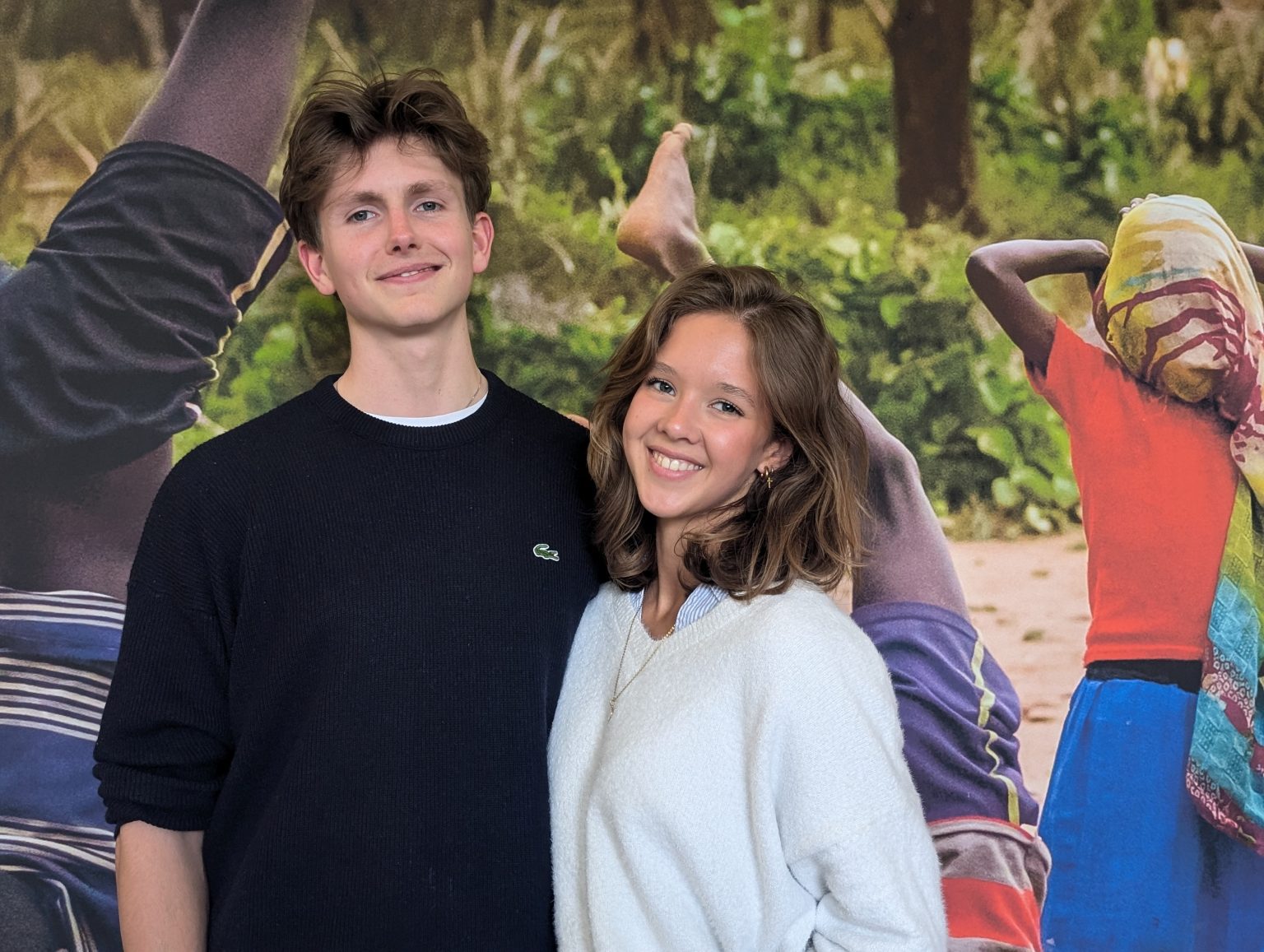

“Especially in difficult times like these, giving is not just an act of charity, but also a powerful testimony of our faith.” Noömi and her boyfriend Daniël share why they chose to sponsor a child, hoping to inspire other students to reflect as well.
Fundraising
Making impact in as many lives of children growing up in vulnerable circumstances is our main goal when raising funds from institutional donors, individuals, churches, foundations and companies. In FY25 income from individuals and companies increased with 16%. An important success for our organisation.
World Vision Nederland reached a total of 29.333 active donors and child sponsors. This is a slight decrease (10%) compared to the number from last year, but the number of transactions (the amount of sponsored children and donations) increased with 7%. Which means that the engagement with our donors deepened. In previous years we have seen more one-off donations, for example via the Zip Your Lip campaign.
In terms of our team, we’re happy that all our vacant positions are now fulfilled. And we are geared up to make the coming year a big success. In our way of working we have introduced a more campaign approach to raising awareness.
Child Sponsorship
As part of the World Vision partnership we know that our child sponsorship proposition is a high value proposition. Not only do we connect sponsors with children and communities in our Area Programmes, through our sponsorship programme we know that in more than 8.250 households the wellbeing of their sponsored child is discussed, and letters, drawings and Christmas greetings are sent to each other. This is invaluable, and so much more important than just money or turnover. At the end of FY25 the number of sponsored children was 9.723, a net growth of 122 sponsors compared to the previous financial year.
Childhood Rescue Donors
Via the Childhood Rescue proposition donors can make a difference on a monthly basis for children that grow up in fragile circumstances due to emergency situations, conflict or environmental disasters such as drought and floods. Through our door-to-door campaign and other channels such as telemarketing we have managed to grow our donor base to 6.262 donors, a net growth of 62 donors.
Donor Loyalty
Our base of Child Sponsors, donors and one-off givers have proven to be highly loyal in FY25, with a breath-taking total amount of almost €672.000 raised in single gift campaigns. This is 250% of our year target on single gifts. Our Child Sponsors on average stay connected with World Vision for almost 12 years (11,9). We are deeply grateful for the incredible loyalty of our supporters.
Ambassadors
In FY25 we worked together with a group of 14 ambassadors. These committed ambassadors promoted our work during events, concerts, in church services and on other occasions. Many people were informed about our work with children and were invited to join our work by sponsoring a child through Chosen.
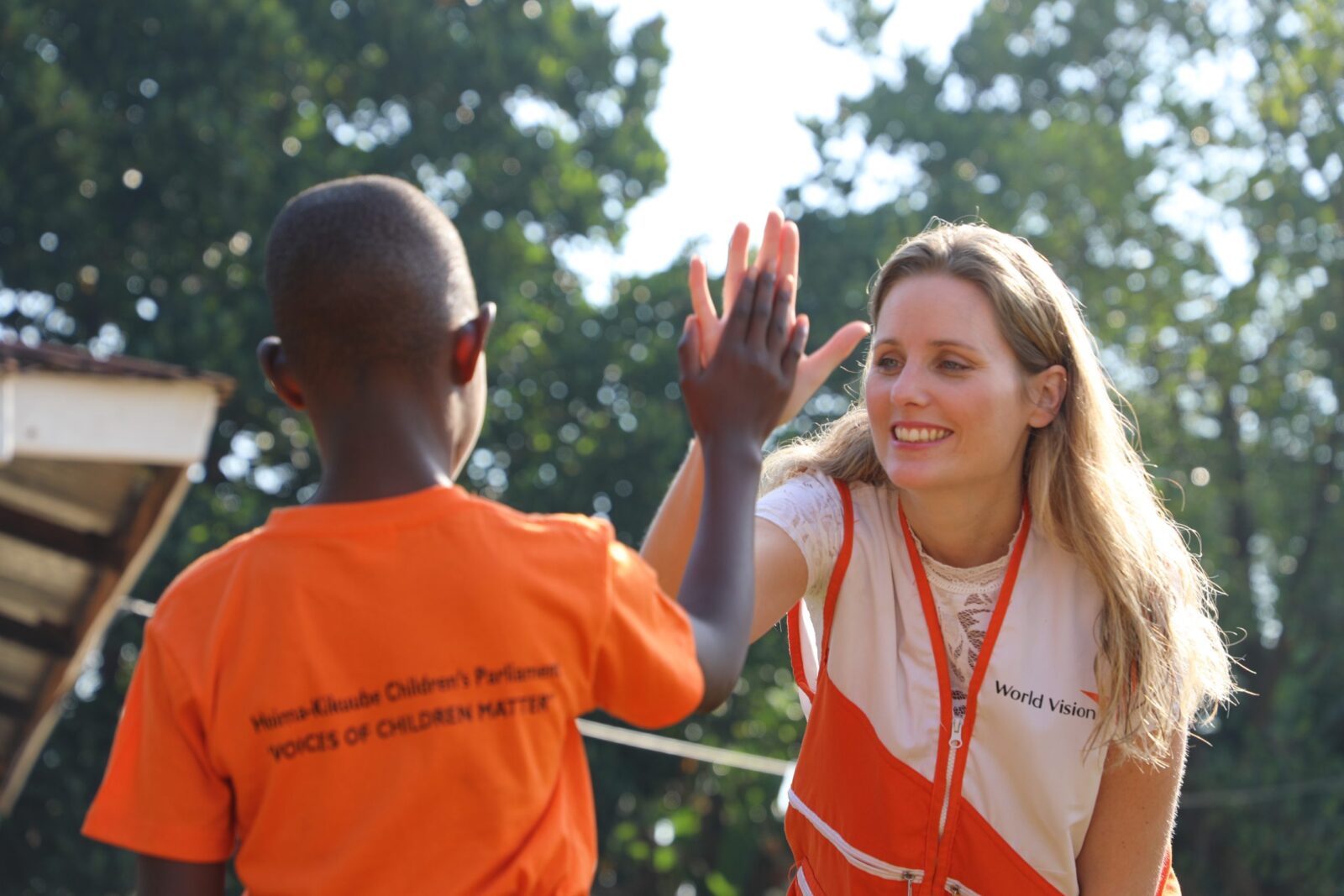

“I feel blessed by my sponsored child, Shivan from Uganda. I admire her grateful outlook on life.”
Almatine Leene, Ambassador
Churches
In FY25, we continued to strengthen our relationships with churches across the country. Several ambassadors preached in church services, sharing about our mission and the impact of our work. Church leaders were informed through newsletters, personal conversations, and our magazine.
Churches are increasingly engaging with our work in meaningful ways – by praying, responding to emergency appeals, organizing fundraising events, or committing to long-term area programmes. This growing involvement reflects a deepening commitment from churches to support vulnerable children and communities around the world.
We received more than €130,000 in one-time donations from churches. An additional amount of almost €33,000 came through sponsorship pledges from churches. 52 churches sponsor one child, while 11 churches sponsor more than one child. In total, 216 churches donated to World Vision, with an average donation of €757. Of these churches, 26 churches donated for the first time.
Foundations, corporates, and major donors
The work of World Vision is endorsed and supported by an increasing number of major donors, family foundations, trust funds, companies, and corporate foundations. Throughout the year we increased exposure for our work through various meetings, events and campaigns.
We are very grateful for each and every partnership, enabling us to reach the most vulnerable children in the world’s most difficult places. Besides a number of significant private donors whose names are known and support highly appreciated, some of the valued partners we have worked with in the past year are:
Abroad Experience, Anders Invest B.V., Anna Muntz Stichting, Bunge, Dizz B.V.,
Elburg Foods, Fa. De Kreij, Heemskerk Fresh & Easy, Heineken Africa Foundation,
de Hofsteestichting, Hoogwegt, Made Blue Foundation, Stichting Nieuwgeluk Philosophy, Stichting EO Metterdaad, Stichting Heembouw, Stichting Help2Change,
Stichting 1 Kronieken 29:14b, Stichting NBB75, Stichting Pharus, Vreugdenhil Dairy Foods, We are Water Foundation and Stichting Wierda-Baas.
We deeply appreciate their trust in our organisation and their commitment to the communities we serve.
Zip your Lip
Zip Your Lip is World Vision’s youth campaign that mobilises students and youth groups to take action against hunger by doing something bold: not eating for 24 hours and raising funds through sponsorship. Through this challenge, young people in the Netherlands stood in solidarity with peers in Angola, Zimbabwe, and South Sudan – countries where hunger and food insecurity remain a daily struggle for many children and families.
In FY25, due to staffing transitions, the campaign was temporarily paused. From May onwards, we reignited Zip Your Lip: refreshed classroom materials, strengthened brand visibility by explicitly co-branding with World Vision, and expanded our pool of guest lecturers from 9 to 17. Partnerships with schools, churches and youth leaders were renewed to ensure easier participation.
The result was that 13 groups and schools participated, involving 494 young people, and together they raised more than €64,000 from 3,644 donors, with an average gift of €17.58.

04 ORGANISATION STRUCTURE AND INTERNAL RESOURCES
World Vision International
World Vision Nederland is a member of the World Vision International Federation, governed by the Covenant of Partnership and guided by the Core Documents outlining the international principles and core values. A representative of the International President and CEO of World Vision International holds a seat on the Supervisory Board of World Vision Nederland. Additionally, the Chair of the World Vision Nederland Supervisory Board represents the organisation at the Triennial Council of World Vision International and the World Vision International Regional Forum (Europe & Middle East Region), both convened every three years. Embracing twin citizenship, the Executive Board/CEO actively engages in formal and informal roles within World Vision International, advancing the organisation’s global mission.
World Vision Nederland
Organisation and structure
World Vision Nederland operates with both an Executive Board and a Supervisory Board. The Executive Board, currently led by Mr. Marco van der Graaf since his appointment as Chief Executive Officer in March 2019, manages the organisation under the supervision of the Supervisory Board. The specific roles, responsibilities, and working methods of the Executive Board concerning the Supervisory Board are detailed in the Board Charter.
Internal resources
The staff in the Netherlands are characterised by a very enthusiastic, involved and motivated team. World Vision Nederland began the year with 42 employees (35.5 FTE) and ended it with 48 employees (40.4 FTE). There were 30 volunteers involved this year. The organisation is divided into three teams: Finance & Operations, International Programmes & Grants, and Fundraising & Communications. Our average sick leave rate in FY25 was 8.9%, which is above the national average due to a number of staff with long-term illnesses.*
We have a low frequency of sick leave reports. Short-term and medium-term absenteeism is also very low or even 0%. This is very positive and much lower than at other organisations.
Employee satisfaction is measured annually in the second quarter. This is facilitated by World Vision International and the survey is called ‘Our Voice’. The Our Voice 2025 employee survey at World Vision Nederland had a 68% response rate. Results show that organisational culture, staff identity, and risk management remain strong, while leadership clarity and effectiveness declined compared to previous years. Staff feedback highlighted concerns about process complexity and bureaucracy, indicating a need for simplification. The organisation plans to improve leadership communication and streamline processes, with progress tracked through key performance indicators and shared with staff and the Supervisory Board.
The Senior Leadership Team was further enhanced by appointing Alice Vliek as the new Director Finance & Operations in January 2025. In FY25, we successfully filled fourteen job openings. Volunteers are invaluable assets to our organisation. Thirty volunteers supported our work for vulnerable children during events (28 volunteers) and office tasks (2 volunteers), significantly enhancing impact and reducing costs. Their enthusiasm and dedication greatly assist our staff. Moreover, volunteering at World Vision Nederland often serves as a stepping stone to new opportunities within our organisation or elsewhere.
World Vision Nederland consistently collaborates with colleges and universities to offer traineeships in various disciplines. In FY25, four students did their traineeship at World Vision Nederland. One guest lecturer and two World Vision employees delivered guest lectures as part of Zip your Lip. In FY25 the host lecturer pool has been significantly expanded. This will enable us to provide more and more flexible guest lectures in the coming years.
*In the second calendar quarter of 2025 the national average was 5.2%. Source: CBS
Complaints
We welcome feedback and complaints so we can be more effective and improve safety, safeguarding the children and communities we serve. Feedback and complaints are collected at three levels:
- Our Programme Accountability Framework outlines our approach to collecting feedback and how we respond to complaints at the programme level. It reaffirms our commitment to granting individuals the right to provide feedback and submit complaints, ensuring their concerns are shared with relevant communities and how to do so.
- The Donor Services team oversees the complaints process. Each May, World Vision Nederland conducts an in-depth analysis to identify trends and gather insights. In June, the details of the complaints are reported and discussed within the Senior Leadership Team. Our review covered the period from 1 May 2024 to 1 April 2025. During this time, 52 complaints were registered, of which 32 were resolved within two working days. None of the complaints were classified as severe. Twenty percent of the complaints related to the increase in the sponsorship rate, while the remaining eighty per cent concerned a variety of other topics. Based on this analysis, we concluded that there is no need to amend our policies or initiate new activities. However, we recognise the importance of improving our resolution times and have taken steps to address this.
- World Vision International also receives feedback and complaints. Specific Safeguarding issues are being reported and investigated centrally. Misconduct by World Vision staff or partners can be reported through our Global Integrity & Protection Whistleblower Hotline, which ensures confidentiality and allows anonymous reporting. We respond promptly to feedback and complaints, tailoring our response based on the nature and origin of the report. Severe complaints are addressed in accordance with relevant international policies, such as our Child & Adult Safeguarding Policy. Our security policy aligns with World Vision International standards, ensuring the safety of our staff, volunteers, and everyone involved in our programmes. World Vision Nederland staff, volunteers, and donors travelling to the field undergo mandatory training, receive updated security briefings, and follow an authorisation process. Staff completes online safety training modules before travel, with additional training (Hostile Environment Awareness Training) required for those visiting high-risk areas. We maintain a dedicated 24/7 emergency point of contact to handle urgent situations.
Safeguarding and Child Protection
Safeguarding and child protection are our highest priorities, both for the children and adults in our programmes and for our staff. World Vision Nederland adheres to the World Vision International Safeguarding Policy. All new staff, volunteers, trainees, ambassadors, and Supervisory Board members contracted in the Netherlands are required to provide a Certificate of Good Conduct issued by the Dutch government, alongside a general reference check. World Vision Nederland also participates in the Inter-Agency Misconduct Disclosure Scheme (MDS). Safeguarding is integrated into our recruitment process, with new staff required to complete online safeguarding training via our e-campus, and to repeat this training every two years. Additionally, World Vision Nederland has appointed a confidential counselor and two Safeguarding Focal Points.
The World Vision Nederland integrity standards and procedures are audited both based on the CBF Erkenningsregeling (CBF being the Dutch regulator for Dutch Recognised Charities) and the Partos 9001 Quality system. In FY25, one Safeguarding Incident was reported in a programme directly funded through World Vision Nederland. Incidents are reported within World Vision International in accordance with procedures and then reported to respective donors according to their reporting standards. The FY25 Annual Safeguarding report and associated action plan have been reviewed and discussed with the Executive Board and Supervisory Board. The Executive Board has confirmed that the integrity policy meets the standards. The Dutch integrity policy is ensured in the international framework and is facilitated by annual feedback on the action plan as well as training provided.
Our anti-corruption and fraud policy is consistent with that of World Vision International. All staff and Supervisory Board members sign the Code of Conduct Policy and the Conflict-of-Interest Policy. Our processes and procedures are designed in such a way that the risk to misconduct and fraud is limited. These procedures and compliance with them are checked in various audit exercises. Any suspicion of fraud in our programmes will be immediately investigated and dealt with. We do so in close contact with the responsible Programme Officer in our office. Any donors involved are informed immediately.
Quality standards
World Vision Nederland operates in accordance with international and sector-specific quality standards to deliver aid effectively, transparently, and responsibly. Our Quality Management System (QMS) forms the foundation for continuous improvement.
We adhere to the following quality standards and codes of conduct:
- ISO 9001:2015 – International standard for quality management.
- Partos 9001 – Sector-specific application of ISO 9001 for development organizations.
- CBF Recognized Charity – Quality label for charities in the Netherlands.
- Core Humanitarian Standard (CHS) – World Vision International is a member of the CHS Alliance and has been verified through HQAI (Humanitarian Quality Assurance Initiative). World Vision Nederland has conducted a self-assessment against these standards. Our IPG staff has been trained to actively work with the standard and all staff received introduction.
- ANBI status – For fiscal transparency.
- GDPR protocol – Protection of personal data in compliance with European legislation.
- IATI (International Aid Transparency Initiative) – Publication of program data through open data to enhance collaboration and impact.
- World Vision International Code of Conduct.
- Endorsement of the Code of Conduct of the International Red Cross and Red Crescent Movement and NGOs in Disaster Response.
- Application of Sphere Standards and membership of the Core Humanitarian Standards (CHS) Alliance.
Digital Transformation and Technology
World Vision Nederland continues to strengthen its technological foundation through a strategic partnership with World Vision International’s Global Technology Development division for IT infrastructure and support services. This collaboration ensures robust cyber security and data protection while delivering cost-effective operations, reliable technical support, and seamless business continuity.
Our core operational systems have been carefully selected to optimise efficiency and security. For human resources management, we utilise the NMBRS platform, including NMBRS Recruit for recruitment, with payroll services managed through our partnership with Mazars.
The Dynamics CRM application, VisionBase, launched early in FY24, reached a major milestone in FY25 with the successful completion of phase one of the projects. This achievement enhances our ability to manage supporter relationships and improve operational effectiveness.
In FY25, World Vision International implemented phase one ofIMPAQ (Impact, Measurement, Programme and Quality), a Salesforce-based platform designed to capture programmatic information. World Vision Nederland joined the project to take a step towards digitising our data for improved reporting, learning, and grant management.
Recognising the transformative potential of artificial intelligence, World Vision Nederland actively participated in World Vision International’s AI test groups during FY25. By engaging in this pilot, we are laying the groundwork for responsible and innovative use of AI across our programmes and organisational processes.
Sustainability and corporate social responsibility
Climate change and environmental degradation are key drivers of extreme poverty, inequality, and child vulnerability. World Vision Nederland is an accredited partner in the UN Decade for Ecosystem Restoration. As a Christian organisation, World Vision Nederland is called to be a steward of creation. World Vision Nederland has an Environmental Stewardship Policy to ensure that all our programmes, operations and facilities, and advocacy contribute to improved natural environments while minimising negative impacts that may affect the well-being of the children, their families and communities that we serve. Implementing guidelines will help us reduce our carbon footprint.
Risk Management
Throughout FY25, a robust risk management framework was in place and operated effectively. The organisation systematically identified, assessed, and managed its key risks, with appropriate controls and mitigating measures implemented and monitored. The Senior Leadership Team and Audit & Risk Committee provided oversight, ensuring that risk management was embedded in both daily operations and strategic decision-making. Based on the outcomes of our risk assessments and the effectiveness of our controls, World Vision Nederland was in control of the identified risks during FY25. In line with our financial risk management approach, the potential financial impact of these risks has been incorporated into the continuity reserve, ensuring that the organisation is adequately positioned to absorb adverse developments.
Risk is defined as the effect of uncertainty on the achievement of organisational objectives. Our risk management framework is aligned with recognised standards and sector best practices, including the principles of transparency, accountability, and integrity. Throughout the year, we conducted bi-annual risk assessments, engaging directors, managers, and key experts from across the organisation. The outcomes of these assessments were reported to the Audit & Risk Committee, ensuring effective governance and oversight.
Our risk appetite is articulated at four levels: risk averse, minimal, calculated, and risk taking. Each identified risk is linked to one of the strategic goals of World Vision Nederland, and mitigating measures are implemented and monitored accordingly. In FY25, the organisation maintained a focus on fostering risk awareness and promoting a culture of openness.
The top risks identified in FY25 included:
- Reduced funding opportunities and increased competition for institutional grants: We responded by strengthening donor relationships, investing in strategic partnerships, and enhancing our prepositioning activities.
- Shortage of staff due to high turnover and a tight labour market: measures included improved labour conditions and enhanced learning and development opportunities.
- Allegations of misconduct within World Vision Nederland, World Vision International, or the wider sector: we maintained robust safeguarding protocols, regular staff training, and a proactive approach to incident reporting and crisis communication.
- Insufficient internal processes and systems: ongoing optimisation projects improved process efficiency, upgraded systems, and clarified roles and responsibilities.
- Higher costs of programming due to inflation, exchange rate fluctuations, and support cost reallocation: financial controls, hedging strategies, and active engagement with donors helped to mitigate these impacts.
Integrity risks were managed through a comprehensive framework that included clear policies on anti-corruption, fraud prevention, safeguarding, and whistleblower protection. Regular audits, compliance checks and staff training reinforced our commitment to ethical conduct and transparency.

05 FINANCIAL RESULTS
The FY25 financial year was characterised by further growth, diversification of income streams, and strengthening our financial position to maximise impact for vulnerable children worldwide. Despite a challenging economic climate and increasing competition in the sector, World Vision Nederland was able to continue its mission thanks to the commitment of our donors, partners, and staff.
Income and Expenditure
In FY25, total income amounted to €36.9 million (FY24: €33.5 million; FY23: €36.8 million). Expenditure reached €38.4 million (FY24: €35.8 million; FY23: €34.9 million).
Income FY25
Expenditures FY25
*The income is exclusive of financial income and expenses, such as interest and foreign exchange results.
For a detailed overview of the financial figures and explanations, please refer to Chapter 7 (financial statements).

06 SUPERVISORY BOARD REPORT AND ACCOUNTABILITY STATEMENT
Supervisory Board
The responsibilities and tasks of the Supervisory Board are to supervise the overall direction for ensuring the standards of ministry and mission of World Vision Nederland, as well as the organisation’s participation in World Vision Partnership processes. The Supervisory Board approves and supervises the Articles of Association and strategic directions (Multi-Year Plan, Annual Plan and Budget) that are drafted by the Executive Board/CEO. It also approves specific actions or resolutions of the Executive Board/CEO as defined in the Articles of Association as well as in the Board Charter.
The Supervisory Board determines the number of members of the Executive Board/CEO and is responsible for their appointment. The Supervisory Board supervises the Executive Board/CEO pursuant to the Board Charter which, in addition to the Articles of Association, regulates the cooperation between the Supervisory Board and the Executive Board/CEO. This Board Charter and the Articles of Association contain provisions that avoid conflicts of interest and prevent positions becoming entangled. World Vision Nederland uses the so-called ‘two-tier system’. In this system, there is a clear separation between supervision and management/implementation.
The Supervisory Board is made up of six members plus a representative of the International President and CEO of World Vision International. Supervisory Board members do not receive any remuneration, but their justifiable expenses incurred in the course of their duties are reimbursed.
The Supervisory Board has two formal committees: the Audit & Risk Committee (ARC) and the Governance Committee (GC). Walter Wassenaar (member of the Supervisory Board) is the Safeguarding Focal point within the Supervisory Board.
The purpose of the ARC is to assist the Supervisory Board in its oversight responsibilities of World Vision Nederland by ensuring the integrity of statutory financial reporting, the effectiveness of the external audit function, the effectiveness of the risk management and internal control framework, compliance with established accounting practices and principles, organisational policies, legal, regulatory and donor requirements as well as other financial matters.
The purpose of the GC is to enable the Supervisory Board to fulfil its oversight responsibilities of World Vision Nederland in relation to developing governance principles that are consistent with high standards of governance and with the policies and decisions of World Vision International, reviewing and assessing the organisation’s system of governance on an ongoing basis, identifying and recommending candidates for appointment to the Supervisory Board, providing an effective orientation to new members, ensuring that regular governance reviews take place and supporting the ongoing development of Supervisory Board members.
The Supervisory Board is responsible for determining the overall remuneration of the Executive Board/CEO.
Supervision
The supervisory role is the responsibility of the Supervisory Board, which:
- appoints, suspends and removes the Executive Board members from office;
- monitors the Executive Board’s performance;
- appoints the auditor;
- appoints the committee members;
- approves the Articles of Association, the strategic policy documents;
- approves the Board Charter.
Management and Implementation
The management and the day-to-day operations are the responsibility of the statutory Executive Board/CEO, who:
- operates within the boundaries set by the Articles of Association and the Board Charter;
- reports regularly to the Supervisory Board on proceedings in the organisation.
Implementation
Policy development and policy implementation are the responsibility of the Executive Board/CEO, who:
- is responsible for the policy implementation process in the organisation;
- delegates to the management team;
- has ultimate responsibility for the decisions made.
Supervisory Board Report
In FY25, the Supervisory Board met five times, including a 24-hour retreat in March and an additional ad hoc SB meeting in July. Supervisory Board member Johan van Renselaar participated in the World Vision Ghana Peer Review and has a broader involvement in peer-to-peer evaluations for other World Vision offices. Important recurring elements in the regular meetings were the approval of the annual accounts and annual report FY24, approval of the annual plan and budget FY26, performance review of the Executive Board/CEO, Safeguarding reporting and risk management.
Specific attention was given to a number of strategic topics: the Strategy Refresh process FY26 – FY30, the branding strategy, changes in the political landscape and private fundraising and child sponsorship. Key management issues in the year under review were wellbeing of staff combined with the review of Our Voice results and staff care plan as well as improvement of processes, systems and standards, increase of private funding, increasing of brand awareness and optimising programme quality and effectiveness.
In the December 2024 meeting, the Supervisory Board discussed and approved the FY24 Executive Board/CEO performance review and the FY25 remuneration. In this meeting it was also announced that a new Finance and Operations Director, Alice Vliek, would start her appointment in January 2025. The Supervisory Board Chair and the Executive Board/CEO continued their monthly meetings. The Supervisory Board was updated during FY25 by the WVI president representative about the impact of the US Government decisions on worldwide funding and in specific on the partnership.
Board member Arco van Wessel resigned his membership at the end of his second tenure in September 2025. Board chair Ingrid Allemekinders started her final year of her third and final tenure which will end in September 2026. Board members Johan van Renselaar and Walter Wassenaar will end their third and final tenure in March 2026.
A recruitment process in search of a future Supervisory Board Chair, was started at the end of 2024. It led to the appointment of a new Supervisory Board member in March 2025. Due to other possible conflicting side activities, however, this member decided to withdraw in July 2025. A new recruitment process was started up at the end of FY25 with a focus on recruiting at least two new SB members and with a perspective of SB Chair succession in September 2026.
To guarantee continuation of the Supervisory Board while recruiting new members, extension of the tenure for the SB Chair, Ingrid Allemekinders as well as for the SB members Walter Wassenaar and Johan van Renselaar (for maximum one year) has been requested for and was approved by the SB and the WVI Board.
Members of the Supervisory Board in 2025
 Chair of the Supervisory Board/Audit & Risk Committee member
Mrs. I.J.M. (Ingrid) Allemekinders-Pols
Member since September 2019
Partner at EY Belastingadviseurs B.V.
Relevant other positions: none
 Supervisory Board member/representing the President of World Vision International/Governance Committee member
Mr. J.M.B. (Justin) Byworth
Member since September 2023
Partnership Leader, Global Programmes and Resources, World Vision International
Relevant other positions: none
 Vice-Chair of the Supervisory Board/Chair of the Audit & Risk Committee
Mr. J. (Johan) van Renselaar
Member since March 2017
Partner at Anders Invest B.V.
Relevant other positions: Chair of the Supervisory Board of Ontwikkelingsmaatschappij Hattemerbroek B.V. (H2O)
 Supervisory Board member/Governance Committee member/focusing on Safeguarding
Mr. W. (Walter) Wassenaar
Member since March 2017
Principal of the Mr. J.J.L. van der Brugghenschool, Prins Willem Alexanderschool and Marnixschool, stichting Prohles in Katwijk
Relevant other positions: none
 Supervisory Board member/Chair of the Governance Committee
Mr. A.J. (Arco) van Wessel
Member since September 2019 untill September 2025
Chair of the Executive Board of De Passie scholen
Relevant other positions: none
 Supervisory Board member/Audit & Risk Committee member
Mr. T.N.A.A. (Thaddeus) Anim-Somuah
Member since March 2024
Global Senior Manager Sustainability, Philips
Relevant other positions: Supervisory Board Member at Triodos Investment Management (Triodos Groenfonds, Triodos Fair Share Fund en Triodos Impact Strategies II)
 Supervisory Board member (junior)/Audit & Risk Committee member
Mrs. A.G.A. (Angela) van Beek
Member since March 2024
International Key Account Manager Codi Group
Relevant other positions: none
Optimising effectiveness and efficiency of the funds deployed
As a Support Office our main focus is to raise funds for our statutory objectives. In the National Offices in the World Vision Partnership the programmes are executed. The progress of the multi-annual plan and the annual plan is checked and evaluated periodically, and the budget is reviewed by means of (financial) reports. During Supervisory Board meetings, the Executive Board/CEO reports on progress in relation to targets set. Among other things, specific attention is paid to fundraising results, grant acquisition, grant management and development of human resources. The International Programmes & Grants team assesses the project proposals, project implementation and the partner organisations. This is affected by a thorough analysis of financial and programme reports and project and field visits together with local partners.
World Vision Nederland has a quality management system in place and complies with the Partos 9001-2015 quality standard (the most appropriate application of the ISO 9001 for development organisations). Annually, an internal and external audit is executed in order to be certified. In addition, World Vision Nederland has been recognised by CBF, the Dutch regulator for Charities. In that capacity, CBF audits World Vision Nederland on a regular basis for compliance with the requirements of the ‘Erkenningsregeling Goede Doelen’. Every year CBF carries out an interim assessment. Once every three years, CBF conducts a full assessment of compliance with the guidelines.
The annual accounts are audited by an external auditor. In addition, internal audits (including a so-called Peer Review) are performed by a team of independent board members and international colleagues from the World Vision partnership. The specific focus of the Peer Review is governance. The audit is carried out at least once every five years. The last Peer Review was held in FY21 and positive outcome (classification ‘meets expectation’) was shared in FY22. In FY24 most action points from this review have been finalised. A new Peer-to-Peer review is expected to be held in FY26 or soon after.
An important indicator of the efficient deployment of our resources is the level of cost of management, administration and fundraising. World Vision Nederland closely monitors the standards as determined for the organisation.
Improvements that follow from the aforementioned evaluations, as well as internal and external reviews can be seen in an audit dashboard. Actions are monitored and discussed during regular management meetings.
Governance at World Vision Nederland is based on the three principles of the ‘Erkenningsregeling Goede Doelen’ [Charity Qualification Rules] as applied by CBF, the Dutch Regulator for Charities:
- separation between supervision and management (section 5.1)
- effective and efficient spending (section 5.4)
- stakeholder interactions (section 5.5)
Optimising stakeholder engagement
The Supervisory Board acts as supervisor on behalf of the stakeholders of World Vision Nederland. They are:
- Beneficiaries
- Partner organisations and other World Vision offices (including field offices)
- Sponsors and donors
- Schools and churches
- Governments and institutional donors
- Funds, companies, foundations
- Staff (employees, trainees and volunteers)
- Peer organisations in the Netherlands
Beneficiaries are first and foremost the most vulnerable children in the countries where World Vision Nederland is active. Through the programmes we also support parents, siblings and communities. We reach them through the World Vision Field Offices and partner organisations. We conclude agreements with these stakeholders about programmes to be implemented and we sign contracts on grants and donations.
In the Dutch context, World Vision Nederland distinguishes between child sponsors and individual donors, schools and churches, governments and institutional donors, funds, companies and foundations, our staff and our Dutch peer NGOs.
The Supervisory Board supervises World Vision Nederland’s adherence to the promises made to its stakeholders. World Vision Nederland communicates with the stakeholders through different channels, tailored to the various target groups. Information is shared through the website, e-newsletters and social media, such as X, Instagram, LinkedIn and Facebook. Sponsors receive annual updates from their sponsored child directly from the area programme. Governments, institutional donors, companies, foundations and funds receive reports as per the agreements. The Executive Board/CEO fulfills specific roles as Chair of the Board of the European Representation as well as a member of the Supervisory Board of the Dutch Relief Alliance (DRA). In these roles there is a close structured relationship with European and Dutch governmental bodies. We meet Dutch partner and peer organisations in networks and partnerships. We ensure that these collaborations contribute to the vision and mission of World Vision. Where this overlaps with others, we seek collaboration and join forces to achieve better results.

07 FINANCIAL STATEMENTS 2025
| Balance sheet | * | 2025 | 2024 |
|---|---|---|---|
| Assets | |||
| Fixed Assets | |||
| Intangible assets | 148,269 | 197,124 | |
| Intangible assets under development | 3,492 | 0 | |
| Machines and installations | 33,980 | 55,669 | |
| Other tangible assets | 140,737 | 160,610 | |
| Total fixed assets | 1 | 326,478 | 413,403 |
| Current Assets | |||
| Receivables from grants | 2 | 418,187 | 1,263,819 |
| Other receivables | 3 | 569,818 | 1,046,512 |
| Cash and cash equivalents | 4 | 5,773,126 | 3,701,096 |
| Total current assets | 6,761,131 | 6,011,427 | |
| Total Assets | 7,087,609 | 6,424,830 | |
| Liabilities | |||
| Reserves and Funds | |||
| Continuity reserve | 5 | 2,246,230 | 2,023,132 |
| Special purpose reserves | 6 | 129,686 | 216,075 |
| Special purpose funds | 7 | 492,258 | 1,972,267 |
| Total reserves and funds | 2,868,173 | 4,211,474 | |
| Provisions | 8 | 181,178 | 100,000 |
| Total Provisions | 181,178 | 100,000 | |
| Current Liabilities | |||
| Amounts payable from grants | 9 | 3,461,828 | 1,484,371 |
| Other liabilities | 10 | 576,430 | 628,985 |
| Total current liabilities | 4,038,258 | 2,113,356 | |
| Total Liabilities | 7,087,609 | 6,424,830 | |
| * Notes to the balance sheet in 7.4. |
| Statement of income and expenditure | * | Result 2025 | Budget 2025 | Result 2024 |
|---|---|---|---|---|
| Income | ||||
| Income from private individuals | 11 | 5,814,161 | 5,635,947 | 5,135,460 |
| Income from companies | 12 | 308,786 | 353,552 | 162,685 |
| Income from government grants | 13 | 25,197,830 | 21,719,508 | 18,495,919 |
| Income from affiliated non-profit organisations | 14 | 173,520 | 529,000 | 179,876 |
| Income from other non-profit organisations | 15 | 5,459,086 | 6,500,139 | 9,509,773 |
| Total income raised | 36,953,384 | 34,738,146 | 33,483,714 | |
| Other income | 7 | 0 | 17 | |
| Total Income | 36,953,390 | 34,738,146 | 33,483,731 | |
| Expenditure | ||||
| Expenditure on objectives | ||||
| Contributions to aid programmes | 34,525,428 | 32,349,031 | 32,179,052 | |
| Awareness raising and advocacy | 1,303,862 | 1,338,481 | 1,194,689 | |
| Total expenditures on objectives | 16 | 35,829,290 | 33,687,512 | 33,373,741 |
| Costs of raising income | 17 | 1,653,387 | 2,343,576 | 1,918,554 |
| Management and administration costs | 18 | 947,755 | 735,871 | 548,085 |
| Total expenditure | 38,430,432 | 36,766,959 | 35,840,380 | |
| Net result before financial income and expenditures | -1,477,041 | -2,028,813 | -2,356,649 | |
| Net financial income and expenditure | 19 | 133,740.77 | 0 | 263,790 |
| Net result | 20 | -1,343,301 | -2,028,813 | -2,092,859 |
| Mutation to funds and reserves | 1,566,399 | 1,784,000 | 2,021,071 | |
| Adjusted result | 223,098 | -244,813 | -71,789 | |
| Appropriation of net result | ||||
| Added / charged to: Continuity reserve | 223,098 | -244,813 | -71,789 | |
| Added / charged to: Special purpose reserves | -20,532 | -79,000 | 29,426 | |
| Added / charged to: Investment Reserve | -65,858 | -70,000 | -63,350 | |
| Added / charged to: Special purpose funds | -1,480,009 | -1,705,000 | -1,987,146 | |
| Net result | -1,343,301 | -2,098,813 | -2,092,859 | |
| * Notes to the statement of income and expenditure in 7.5. |
7.3 Accounting policies
General Accounting Policies
Activities
World Vision Nederland is a foundation established under Dutch law. Our activities consist of (Article 3 of the foundation’s bylaws):
a. to structurally improve the living conditions of disadvantaged children, including by creating a safe and just environment, without any discrimination based on religion, race or political affiliation, as well as via sustainable aid, emergency aid and assistance with reconstruction;
b. to raise awareness and inform society about development cooperation in order to increase public support for and involvement in international cooperation;
c. everything that may be beneficial thereto in the broadest sense.
General
The annual accounts have been prepared on a going concern basis and in accordance with Accounting Guideline 650 for Fundraising Organisations. The reporting period is from 1 October 2024 to 30 September 2025. All amounts are in euros.
Comparison previous year
Where applicable, the 2024 figures have been reclassified to enhance comparability with the 2025 figures.
Functional currency
The annual accounts have been prepared in euros; this is both World Vision Nederland’s functional and presentation currency. Transactions in foreign currencies during the reporting period are recorded in the annual accounts at the exchange rate on the transaction date. Monetary assets and liabilities in foreign currencies are translated into the functional currency at the exchange rate prevailing at the balance sheet date. Non-monetary assets and liabilities in foreign currencies that are measured at fair value are translated into the functional currency at the exchange rates prevailing on the dates when the fair values were determined. Non-monetary assets and liabilities denominated in foreign currencies that are measured at historical cost are not retranslated.
Use of estimates
The preparation of the annual accounts requires the Executive Board to make judgements, estimates and assumptions which influence the application of policies and the reported values of assets, liabilities, income and expenses. Actual results may differ from these estimates. Estimates and the underlying assumptions are assessed regularly. Whenever an estimate is revised, the revised estimate is stated in the period in which the revision was made and in future periods for which the revision has consequences.
Transactions, receivables and payables
Transactions in foreign currencies during the reporting period are recorded in the annual accounts at the exchange rate at the transaction date. Monetary assets and liabilities denominated in foreign currencies are translated into the functional currency at the exchange rate at the balance sheet date. Exchange rate differences arising from settlement and conversion are credited or debited to the statement of income and expenses. Together with World Vision International, we enter into hedging contracts to minimize exchange rate risks. Non-monetary assets valued at acquisition cost in a foreign currency are translated at the exchange rate on the transaction date.
Accounting Policies for valuation of Assets and Liabilities
Tangible fixed assets
Tangible fixed assets are valued at acquisition costs less linear depreciation and impairment. We calculate depreciationbased on of a percentage of the cost in accordance with the straight-line method over the economic life.
We apply the following depreciation percentages:
- Tangible fixed assets and IT investments 25%
- Intangible fixed assets and software: 25-33%
- Installations: 20%
- Office fittings and fixtures: 10%
Receivables and accrued items
Receivables and accrued income are initially stated at fair value and subsequently at amortised cost less any provisions deemed necessary.
Cash and cash equivalents
Cash and cash equivalents consist of cash and bank balances with a maturity of less than twelve months. Bank overdrafts are included in debts to credit institutions under current liabilities. Cash and cash equivalents are stated at nominal value. World Vision Nederland does not hold investments with economic value. World Vision Nederland uses regular saving and deposit accounts for any surplus in liquid assets.
Reserves
We distinguish between reserves and funds. In the case of reserves, the Executive Board determines the purpose for which the available income is used.
Continuity reserve
The continuity reserve is designed to cover financial risks to ensure the continuity of the work is not put at risk by sudden unforeseen events. World Vision Nederland adheres to the Guideline for Financial Management of Goede Doelen Nederland, which states that a continuity reserve should be based on an internal risk assessment. World Vision Nederland adheres to this advice and has determined our continuity reserve need based on a risk assessment.
Provisions
Provisions are recognized for legally enforceable or constructive obligations that exist at the balance sheet date, where it is probable that an outflow of resources will be required, and the amount can be reliably estimated. Provisions are measured at the best estimate of the amounts necessary to settle the obligations at the balance sheet date. Provisions are valued at the nominal value of the expenditures expected to be necessary to settle the obligations, unless otherwise stated.
Special purpose reserves
Special purpose reserves are subtracted from the net result that the Executive Board has earmarked for a specific purpose.
Special purpose funds
In the case of special purpose funds, our donors designate the purpose for which the income must be spent.
Use of special purpose funds
Expenses covered by special purpose funds are recorded in the statement of income and expenditure and charged to the relevant fund via the appropriation of results. Changes in the limitation of the appropriation of funds made by the appropriate bodies or authorities are processed as other movements within the reserves and funds.
Current liabilities and accruals
Unless stated otherwise, liabilities are recognised at fair value and subsequently at amortised cost.
Accounting Policies for the income and Expenditure statement
All revenues are stated gross under income, unless stated otherwise. Costs necessary to realise certain income items are stated as expenses in the ‘Statement of income and expenditure’.
Income
- Income from own fundraising is recognised in the year of receipt.
- Legacy income is stated in the financial year in which we can reliably determine the amount involved. Provisional advance payments are stated as ‘Legacy income’ in the financial year of receipt, insofar as these have not already been recognised in a previous financial year.
- Income from Giro555 campaigns is recognised in the year of receipt.
- Income from government grants exclusively comprises grants obtained from a government, including the European Union or comparable international organisations, government institutions and public law organisations. If the grant conditions require the repayment of any unspent monies, the amount is only recognised as grant income upon the actual allocation of the monies to expenditure on the subsidised project or programme that meet the grant conditions.
Expenditure
Expenses are determined in accordance with the accounting policies and allocated to the year to which they relate.
Expenditure on objectives
Programme commitments are reported in the year in which the award to the partner is approved. For multi-year programmes, which are contractually recorded, costs are allocated to the year to which they relate.
Cost of raising income
All costs of activities we undertake to encourage people to give money for one or more of our objectives are designated as ‘Raising income costs’. These therefore include publicity and communication costs, unless these costs were incurred for awareness-raising activities. Activities regularly involve a combination of awareness-raising and fundraising. In these cases, based on an allocation table the portion of costs relating to awareness-raising activities is allocated as accurately as possible. The costs of our own organisation (staff costs and other organisational costs), insofar as these cannot be directly attributed to the fundraising activities and expenditure on our objectives, are allocated on the basis of expenditure allocation. This means that staff costs are allocated based on time spent on the activities. The allocation of indirect costs takes place pro rata to the results of the allocation of staff costs.
Staff costs
Wages, salaries and social charges are recognised in the income statement as agreed in the terms of employment to the extent they are payable to employees and the tax authority. For pension expenses, we only charge the contribution payable for the financial year to the statement of income and expenditures. Contributions payable or paid in advance at year-end are stated as accrued items under liabilities or assets.
Management and administration costs
Management and administration costs are costs incurred for internal management and administration that are not attributed to a specific objective or income generation. The method of allocation of these expenses is included in the ‘Expenditure Allocation’.
7.4 Notes to the balance sheet
1. Fixed assets
The fixed assets within World Vision Nederland relate exclusively to assets held for the purpose of business operations.
In 2025 we invested further in our intangible assets (CRM). Depreciation of our CRM system has started since the CRM system is live since beginning 2024.
| Intangible assets | Intangible assets | Intangible assets under development | Total intangible assets |
|---|---|---|---|
| Cumulative acquisition cost | 260,474 | - | 260,474 |
| Accumulated depreciation | 63,350 | - | 63,350 |
| Balance 01-10-2024 | 197,124 | - | 197,124 |
| Investments/additions | 17,003 | 3,492 | 20,495 |
| Depreciation | -65,858 | - | -65,858 |
| Divestments | - | - | - |
| Cumulative acquisition cost | 277,477 | 3,492 | 280,969 |
| Accumulated depreciation | 129,208 | - | 129,208 |
| End Balance 30-09-2025 | 148,269 | 3,492 | 151,761 |
The tangible assets consist of machines and installations, as well as other tangible assets. The machines and installations mainly relate to the renovation and furnishing fixture costs associated with our office relocation in 2020. Other tangible fixed assets investments in 2025 include new office furniture and IT related investments, mainly laptops.
| Tangible assets | Machines and installations | Other tangible assets | Total tangible assets |
|---|---|---|---|
| Cumulative acquisition cost | 170,868 | 393,648 | 564,516 |
| Accumulated depreciation | 115,200 | 233,037 | 348,237 |
| Balance 01-10-2024 | 55,669 | 160,610 | 216,279 |
| Investments | - | 26,179 | 26,179 |
| Depreciation | -21,689 | -46,052 | -67,741 |
| Divestments | - | - | - |
| Cumulative acquisition cost | 170,868 | 419,827 | 590,695 |
| Accumulated depreciation | 136,888 | 279,089 | 415,978 |
| End Balance 30-09-2025 | 33,980 | 140,737 | 174,717 |
2. Receivables from government and other organisations
The grants yet to be received concern income to be expected from existing grant agreements with government bodies and other organisations. The total amount is anticipated to be received in the next year.
| Receivables from grants | 2025 | 2024 |
|---|---|---|
| Ministry of Foreign Affairs | 254,479 | 93,508 |
| European Commission | 0 | 1,023,056 |
| Other organisations | 163,708 | 147,255 |
| Total | 418,187 | 1,263,819 |
3. Other receivables
In financial year 2025, the other receivables decreased from €1,046,512 in 2024 to €569,818 in 2025. This decline is primarily due to a decrease in receivables from World Vision International.
The maturity of the amounts included under other receivables is less than one year.
| Other receivables | 2025 | 2024 |
|---|---|---|
| Receivables from World Vision International | 214,445 | 722,729 |
| Miscellaneous receivables | 100,408 | 24,085 |
| Various prepaid expenses | 224,073 | 268,805 |
| Deposit Utrechtseweg 12 | 28,112 | 28,112 |
| Deposit amount Post NL | 2,780 | 2,780 |
| Total | 569,818 | 1,046,512 |
4. Cash and cash equivalents
The balances of all accounts are at the immediate disposal of the World Vision Nederland.
| Cash and Cash equivalents | 2025 | 2024 |
|---|---|---|
| ABN AMRO bank accounts | 5,703,493 | 3,621,609 |
| ING bank accounts | 69,455 | 76,389 |
| Cash | 178 | 3,098 |
| Total | 5,773,126 | 3,701,096 |
5. Continuity reserve
At the close of the financial year 2025 the continuity reserve is €2.3 million. This is in line with the internally conducted risk analysis. The level of the continuity reserve of World Vision Nederland comes to 56% of the costs of the working organisation in FY25.
| Continuity reserve | 2025 | 2024 |
|---|---|---|
| Start balance | 2,023,132 | 2,094,920 |
| Movements | 223,098 | -71,789 |
| End balance | 2,246,230 | 2,023,132 |
6. Special purpose reserve
The special purpose reserve ‘Investments’ was created for improvements in the internal organisation. The depreciation expense of the CRM system ‘Vision Base’ are covered from this reserve in financial year 2025. Other than depreciation, no changes were made to this reserve during 2025, resulting in a closing balance of €120,792.
The Nordics reserve created in financial year 2024 was reduced to €8,468 due to a negative result in transactions in the Nordic. The balance will be transferred to the new responsible organisation within World Vision as from FY26 World Vision Netherlands is no longer responsible for Nordic.
| Special purpose reserve 'Investments' | 2025 | 2024 |
|---|---|---|
| Start balance | 186,650 | 250,000 |
| Movements | -65,858 | -63,350 |
| End balance | 120,792 | 186,650 |
| Special purpose reserve 'Nordic' | 2025 | 2024 |
| Start balance | 29,426 | 0 |
| Movements | -20,532 | 29,426 |
| End balance | 8,894 | 29,426 |
7. Special purpose funds
The special purpose funds decreased by €1.5 million in financial year 2025 and ends on a balance of €0.5 million. This is mainly caused by the special purpose fund for Syria/Türkiye earthquake which was finalised in financial year 2025 and resulted in a release of the fund of €1.7 million. To the Sponsorship Fund €120 thousand was added and €112 thousand was added to the Non-Sponsorship Fund. The summary below shows the composition of the appropriated fund item. Both funds will be spent in the coming years according to the internal guidelines.
| Middle East Giro555 | Syria Türkiye Giro555 | Sponsorship Fund | Non-sponsorship fund | Total | |
|---|---|---|---|---|---|
| Start balance | - | 1,711,385 | 132,742 | 128,140 | 1,972,267 |
| Added (Income to be committed) | 1,038,914 | -2,263 | 2,158,993 | 1,229,602 | 4,425,246 |
| Charged (Committed) | -1,038,914 | -1,709,122 | -2,039,312 | -1,117,907 | -5,905,255 |
| Net movements | - | -1,711,385 | 119,681 | 111,695 | -1,480,009 |
| End balance | - | 0 | 252,423 | 239,835 | 492,258 |
8. Provisions
The provision of €135,258 consists of two components:
- €51,216 related to a potential non-payment by a partner organization due to donor disallowances. This amount originates from the provision recognized in FY24.
- €129,962 relates to an error in exchange rate calculations. A potential compensation of €85,005 is under assessment, which may partially offset this provision.
Both matters are expected to be resolved in FY26.
| Provisions | 2025 | 2024 |
|---|---|---|
| Starting balance | 100,000 | - |
| Additions | 129,962 | 100,000 |
| Releases | -48,784 | - |
| End balance | 181,178 | 100,000 |
9. Amounts payable from grants
The grants payable concern expenditure to be expected from existing grant agreements. The total amount is received in advance from grants and is anticipated to be spent in the next year.
| Amounts payable from grants | 2025 | 2024 |
|---|---|---|
| Ministry of Foreign Affairs | 263,798 | 1,024,366 |
| European Commission | 2,002,325 | 16,023 |
| Other organisations | 1,195,705 | 443,982 |
| Total | 3,461,828 | 1,484,371 |
10. Other liabilities
Costs related to the year-end audit, such as the external auditor, among others, are reported under the heading ‘amounts to be paid’. The maturity of the amounts included under other liabilities is less than one year.
| Other Liabilities | 2025 | 2024 |
|---|---|---|
| Payroll tax/social insurance | 120,516 | 65,031 |
| Holiday pay and day's leave | 147,050 | 128,708 |
| Creditors | 234,984 | 160,684 |
| Amounts to be paid | 73,880 | 188,881 |
| Payable to World Vision International | 0 | 85,680 |
| Total | 576,430 | 628,985 |
Assets and liabilities not included in the balance sheet
In October 2023, World Vision NL extended the lease for its Amersfoort office for five years from January 2025, resulting in a remaining obligation of €420,117 and an additional deposit of €9,849. Other long-term service agreements include:
- Office telecom services until December 2030 : €29,943
- Copier lease until January 2027: €15,798
- Coffee and tea supply and maintenance until January 2030: €12,438
- Office plant maintenance until March 2026: €3,180
- Mobile subscriptions August 2027: €1,318
Credit Facility: In July 2025, a three-year credit facility of €1.5 million was agreed with World Vision Australia at 4% interest. This facility remained unused at year-end.
Project Commitments: World Vision NL holds multi-year project agreements with conditional commitments totalling approximately €19.1 million, primarily funded by government grants and partner contributions.
7.5 Notes to the statement of income and expenditure
While income increased in financial year 2025, expenditures on objectives also grew significantly compared to the previous year. Total income amounts to €36.9 million in financial year 2025, an increase of about 10% (€3.5 million) compared to financial year 2024. This growth is mainly due to higher government grants, which rose to €25.2 million (up from €18.5 million in 2024), while income from private individuals also increased to €5.8 million. Income from companies doubled compared to the previous year, reaching €0.3 million, whereas income from affiliated and other non-profit organizations decreased due to less UN funding while income from foundations and charitble organizations increased significantly.
Expenditures on objectives increased to €35.8 million in financial year 2025, which is €2.8 million higher than in financial year 2024. The largest share of this increase relates to contributions to aid programs, which rose to €34.5 million. Costs of raising income decreased to 1.7 million and management & administration expenses increased to €0.95 million.
11. Income Privates
In financial year 2025, income from private individuals amounted to €5.8 million, exceeding the budgeted figure of €5.6 million and representing a notable increase compared to 2024 (€5.1 million). This growth reflects positive developments across all categories:
– Gifts for (child) sponsorship programmes: Income totalled €4.0 million, slightly above the budget and significantly higher than the prior year (€3.7 million). The increase is partly attributable to the first full financial year applying the current sponsorship price per child, which contributed to strengthening overall income.
– Donations and gifts: Income reached €1.6 million, surpassing the budget and improving on 2024 (€1.4 million), indicating sustained donor engagement through one-time or recurring gifts.
– Legacy income: €0.1 million was realized, substantially exceeding the budget (€35,000) and marking a notable new contribution compared to 2024, when no legacy income was recorded.
| Income from private individuals | 2025 | Budget 2025 | 2024 |
|---|---|---|---|
| Gifts for (child) sponsorship programmes | 4,026,956 | 4,000,461 | 3,743,896 |
| Donations and gifts | 1,654,611 | 1,600,486 | 1,391,564 |
| Legacy income | 132,594 | 35,000 | 0 |
| Total | 5,814,161 | 5,635,947 | 5,135,460 |
The breakdown below shows the average number of donors by reporting year. The number of structural donors and child sponsors decreased in financial year 2025.
| Average reporting period* | Number of donors |
|---|---|
| Financial year 2025 (2024 + 2025): | 29,623 |
| Financial year 2024 (2023 + 2024): | 32,735 |
| Financial year 2023 (2022 + 2023): | 30,357 |
| Financial year 2022 (2021 + 2022): | 22,655 |
| * For the purpose of this definition, the number of unique donors per 24 months is considered |
12. Income from companies
In financial year 2025, income from companies totalled €308,786, which is almost double the amount realized in 2024 (€162,685). This significant increase reflects strong growth in corporate contributions, even though the total fell short of the ambitious budget of €353,552.
| Income from companies | 2025 | Budget 2025 | 2024 |
|---|---|---|---|
| Gifts for (child) sponsorship programmes | 111,780 | 95,605 | 61,297 |
| Donations and gifts | 197,006 | 227,455 | 101,388 |
| Project financing | 0 | 30,492 | 0 |
| Total | 308,786 | 353,552 | 162,685 |
13. Income from government grants
World Vision Nederland continues to receive grants for both development programs and emergency relief and rehabilitation. As a member of the Dutch Relief Alliance (DRA), we collaborate closely with other humanitarian organizations and the Ministry of Foreign Affairs.
In addition, World Vision Nederland cooperates with DG ECHO (European Commission Civil Protection and Humanitarian Aid Operations). For financial year 2025, income from government grants increased significantly to €25.2 million (2024: €18.5 million), primarily due to higher funding from the Ministry of Foreign Affairs (€21.7 million) and the European Commission (€3.5 million). This growth was largely driven by two major projects where World Vision Nederland acted as lead agency, resulting in higher direct allocations. No grants were received from other Dutch governmental organizations in 2025 (2024: €0.1 million).
| Income from government grants | 2025 | Budget 2025 | 2024 |
|---|---|---|---|
| Ministry of Foreign Affairs | 21,728,049 | 17,886,654 | 17,444,593 |
| European Commission | 3,469,781 | 3,066,283 | 918,412 |
| Other Dutch Governmental Organisations | 0 | 766,571 | 132,914 |
| Total | 25,197,830 | 21,719,508 | 18,495,919 |
14. Income from affiliated non-profit organisations
Income from affiliated organisations consists of reimbursements of charges from World Vision Nederland to various World Vision partners. In 2025, this mainly pertained to a position related to acquisition of grants in the Nordics.
| Income from affiliated non-profit organisations | 2025 | Budget 2025 | 2024 |
|---|---|---|---|
| World Vision partners | 173,520 | 529,000 | 179,876 |
| Total | 173,520 | 529,000 | 179,876 |
15. Income from other non-profit organisations
Income from other non-profit organisations in FY25 amounted to €5.46 million, which is €1.04 million below the budget of €6.50 million and represents a significant decrease compared to FY24 (€9.51 million). The decline is primarily due to less UN project financing. Project financing (incl. Giro 555) remained unchanged compared to previous fiscal year. Gifts for (child) sponsorship programmes and Donations and gifts come from foundations and charitable organisations. Income has significantly increased by 42% compared to FY24 (FY25 €780,771 compared to FY24 €550,845).
| Income from other non-profit organisations | 2025 | Budget 2025 | 2024 |
|---|---|---|---|
| Gifts for (child) sponsorship programmes | 181,336 | 217,078 | 193,381 |
| Donations and gifts | 599,435 | 373,059 | 357,464 |
| Project financing (incl Giro555) | 2,189,152 | 2,910,000 | 2,194,286 |
| Project financing UN cash grants | 697,549 | 1,086,854 | 2,583,810 |
| Project financing UN Gift in kind grants | 1,791,614 | 1,913,147 | 4,180,832 |
| Total | 5,459,086 | 6,500,139 | 9,509,773 |
16. Expenditure on objectives
Expenditure allocation
In order to provide insight into the details of the organisation’s costs, the model below is used to allocate the different types of expenditure. The allocation table was evaluated in FY25, using among other sources the guidelines from Goede Doelen Nederland.
| Expenditures | Objective | Costs raising income | Mngmt & Admin* | Total 2025 | Budget 2025 | Total 2024 | |
|---|---|---|---|---|---|---|---|
| Contributions to aid programmes | Information and awareness | ||||||
| Program contributions | 33,246,611 | 0 | 0 | 0 | 33,246,611 | 31,168,000 | 30,832,517 |
| Staff costs | 877,939 | 876,251 | 814,886 | 668,569 | 3,237,646 | 3,498,000 | 2,914,450 |
| Direct costs related to aid programmes | 222,194 | 0 | 0 | 0 | 222,194 | 0 | 172,792 |
| Publicity and communication expenses | 0 | 243,318 | 672,650 | 0 | 915,968 | 1,150,000 | 1,026,054 |
| Housing costs | 36,956 | 36,885 | 34,302 | 28,143 | 136,285 | 125,445 | 120,872 |
| Kosten Raad van Toezicht | 0 | 0 | 0 | 11,972 | 11,972 | 15,500 | 7,143 |
| Travel expenses | 0 | 5,953 | 0 | 19,360 | 25,314 | 72,350 | 28,024 |
| Office and general expenses | 90,373 | 90,199 | 83,882 | 68,821 | 333,275 | 425,382 | 457,860 |
| Other general expenses | 51,355 | 51,256 | 47,667 | 150,889 | 301,167 | 312,283 | 280,667 |
| 34,525,428 | 1,303,862 | 1,653,387 | 947,755 | 38,430,432 | 36,766,959 | 35,840,380 | |
| *Management & Administration |
Expenditure on objectives
Expenditure on objectives means expenditure related to one of the organisation’s objectives.
Costs of raising income
Costs for raising income are incurred by activities aimed at asking people to contribute to one of the organisation’s objectives.
Management and administration expenses
Management and administration expenses include the costs related to management, internal control and administration, which cannot be charged to one of the objectives. The organisation distinguishes between direct and indirect costs. Indirect costs involve combined activities. Publicity and communication expenses are divided into generating income costs and information and awareness costs based on a fixed allocation table. Other costs are allocated on the basis of the (estimated) time spent by staff on the organisation’s various objectives. Supervisory Board costs, bank costs and auditor costs are allocated 100% to management and administration.
Objective expenditures
As set out in its articles of association, World Vision has two objectives:
- To improve the living conditions of underprivileged children on a structural basis, including through the creation of a safe and just environment, without discrimination on the basis of religion, race or political beliefs, as well as through sustainable aid, emergency aid and reconstruction assistance (provided contribution to aid programmes).
- To raise awareness and educate society about development cooperation in order to increase public support for and involvement in international cooperation (education and awareness).
In financial year 2025, World Vision Nederland committed €34.5 million for programme contributions. This is €2.4 million more than in the previous year. Information and awareness was €1.4 million which is €0.2 million more than last year. The expenditure on objectives as a percentage of our total income was 96,9% in 2025 (budget 2025: 97.0% and 2024: 99.7%).
| Objective expenditures | 2025 | Budget 2025 | 2024 |
|---|---|---|---|
| Contribution to aid programmes | 34,525,428 | 32,349,031 | 32,179,052 |
| Information and awareness | 1,303,862 | 1,338,481 | 1,194,689 |
| Total | 35,829,290 | 33,687,512 | 33,373,741 |
| Spending ratios | 2025 | Budget 2025 | 2024 |
| Expenditure on objectives as % of income | 97.0% | 97.0% | 99.7% |
| Expenditure on objective as % of total expenditure | 93.2% | 91.6% | 93.1% |
16.1 Programme contributions
For the purpose of emergency relief and reconstruction programmes, World Vision Nederland contributed a total of €33.2 million. The organisation aims to spend as much of the available resources as possible on its objectives.
Commitments per type
Commitments per sector
Commitments per donor group
17. Cost of raising income
World Vision Nederland incurs costs for the purpose of raising income to be spent on its mission: improving the living conditions of vulnerable children. In the multi-year strategic plan, World Vision is committed to revenue growth to increase impact in the field, which increases the costs of raising income. The actual costs of raising income is calculated based on the cost allocation statement, and as a result the costs are lower in FY25 than FY24 and budget. The percentage of income raising costs has slightly decreased from 5.7% to 4.5% in financial year 2025.
| Costs of raising income | 2025 | Budget 2025 | 2024 |
|---|---|---|---|
| Costs of raising income | 1,653,387 | 2,343,576 | 1,918,554 |
| Raising income ratios | 2025 | Budget 2025 | 2024 |
| Costs of raising income as % of income | 4.5% | 6.7% | 5.7% |
| Costs of raising income as % of total expenditure | 4.3% | 6.4% | 5.4% |
18. Costs management and administration
The costs of management and administration during financial year 2025 have increased to a total of €952,105, which is 2.6% of total received income (2024: 1.6%). The increase of 1% is a result of the evaluation done in FY25 on the allocation table. Management and administration costs are calculated as a share of staff costs, housing costs, other office and general expenses, and the costs incurred by the Supervisory Board through the cost allocation statement. The members of the Supervisory Board receive no remuneration other than reimbursement of expenses incurred in connection with their role as members of the Supervisory Board. There are no reimbursement of expenses incurred by members of the Supervisory Board in financial year 2025.
| Costs management and administration | 2025 | Budget 2025 | 2024 |
|---|---|---|---|
| Management and administration costs | 947,755 | 735,871 | 548,085 |
| Ratios management and administration | 2025 | Budget 2025 | 2024 |
| Management and administration costs as % of income | 2.6% | 2.1% | 1.6% |
Staff costs
The breakdown of total staff costs for the reporting year is shown in the table below. Charged staff costs include salary costs that are part of the programme budget. World Vision Nederland has a pension scheme in place for employees. This is a defined contribution scheme. The costs of the premiums are accounted for in the year to which they pertain. The pension system is based on an investment arrangement.
| Staff costs | 2025 | 2024 |
|---|---|---|
| Salaries | 2,136,890 | 1,987,368 |
| Social security contributions | 448,752 | 386,492 |
| Pension | 187,058 | 158,455 |
| Temporary workers | 442,721 | 370,172 |
| Other staff costs | 267,750 | 228,872 |
| Charged to programmes | -245,525 | -216,922 |
| Total staff costs | 3,237,646 | 2,914,437 |
Salary and emoluments paid to Executive Board
The remuneration of the CEO and Executive Board has been tested against the regulation on remuneration of directors of Goede Doelen Nederland. Marco van der Graaf is the CEO and Executive Board of World Vision Nederland. He has been appointed as of 1 March 2019. Goede Doelen Nederland has set a maximum for the remuneration of directors. The executive compensation is calculated on the basis of the BSD index (Basic Score for Executive Positions). The BSD score has been evaluated by the Supervisory Board and set at 385 in 2023. The management remuneration policy is in line with the guidelines as established by Goede Doelen Nederland. Ancillary positions of Marco van der Graaf are: Member of the Board of Stichting Samenwerkende Hulporganisaties (Giro555), Chair of the Board of World Vision EUREP – World Vision Brussels & EU representation and Chair of the Supervisory Board of Stichting Tijd voor Actie. Marco van der Graaf receives no remuneration for these positions.
| Remuneration Marco van der Graaf | 2025 | 2024 |
|---|---|---|
| Type | permanent | permanent |
| Hours full-time work week | 38 | 38 |
| Part-time percentage | 100 | 100 |
| Gross salary | 103,380 | 99,028 |
| Holiday pay | 8,270 | 7,802 |
| Total annual income | 111,650 | 106,830 |
| Taxable allowances/additions | 66 | 183 |
| Pension charges (employer's share) | 19,132 | 16,739 |
| Total other charges and benefits | 19,198 | 16,922 |
| Total remuneration | 130,848 | 123,753 |
19. Financial income
In financial year 2025 we had an interest income €152,563 mainly due to the interest received from short term deposits, but also due to the bank balances on our ABN AMRO and ING bank accounts. The following table shows the details of the amount recognised under the net financial income and expenses.
| Net financial income and expenditure | 2025 | Budget 2025 | 2024 |
|---|---|---|---|
| Interest income/expenses | 152,563 | 0 | 255,849 |
| Payment differences | 79 | 0 | 61 |
| Realised and unrealised foreign exchange results | -18,901 | 0 | 7,881 |
| Total | 133,741 | 0 | 263,790 |
20. Adjusted result
The financial year ended with a negative result of €1.3 million. Adjusted for the special purpose funds and reserve, this result is positive €223,098 (2024: €71,789 negative result). The net result of positive €223,098 will be added to the continuity reserve. This is higher than our budget for financial year 2025 and is the result of higher income and lower expenditure than budgeted.
| Adjusted net result | 2025 | Budget 2025 | 2024 |
|---|---|---|---|
| Net result | -1,343,301 | -2,028,813 | -2,092,859 |
| Mutation to: Special purpose reserves | -86,390 | -70,000 | -33,925 |
| Mutation to: Special purpose funds | -1,480,009 | -1,714,000 | -1,987,146 |
| Mutation to funds and reserves | -1,566,399 | -1,784,000 | -2,021,071 |
| Total | 223,098 | -244,813 | -71,789 |
Signing of Annual Report
Amersfoort, 6 March 2026
Supervisory Board:
Mrs. drs. I.J.M. (Ingrid) Allemekinders-Pols
Mr. J. (Justin) Byworth
Mr. drs. J. (Johan) van Renselaar
Mr. W. (Walter) Wassenaar
Mr. T.N.A.A. (Thaddeus) Anim-Somuah
Mrs. A.G.A. (Angela) van Beek
7.6 Independent auditor’s report
Read the Independent auditor’s report here
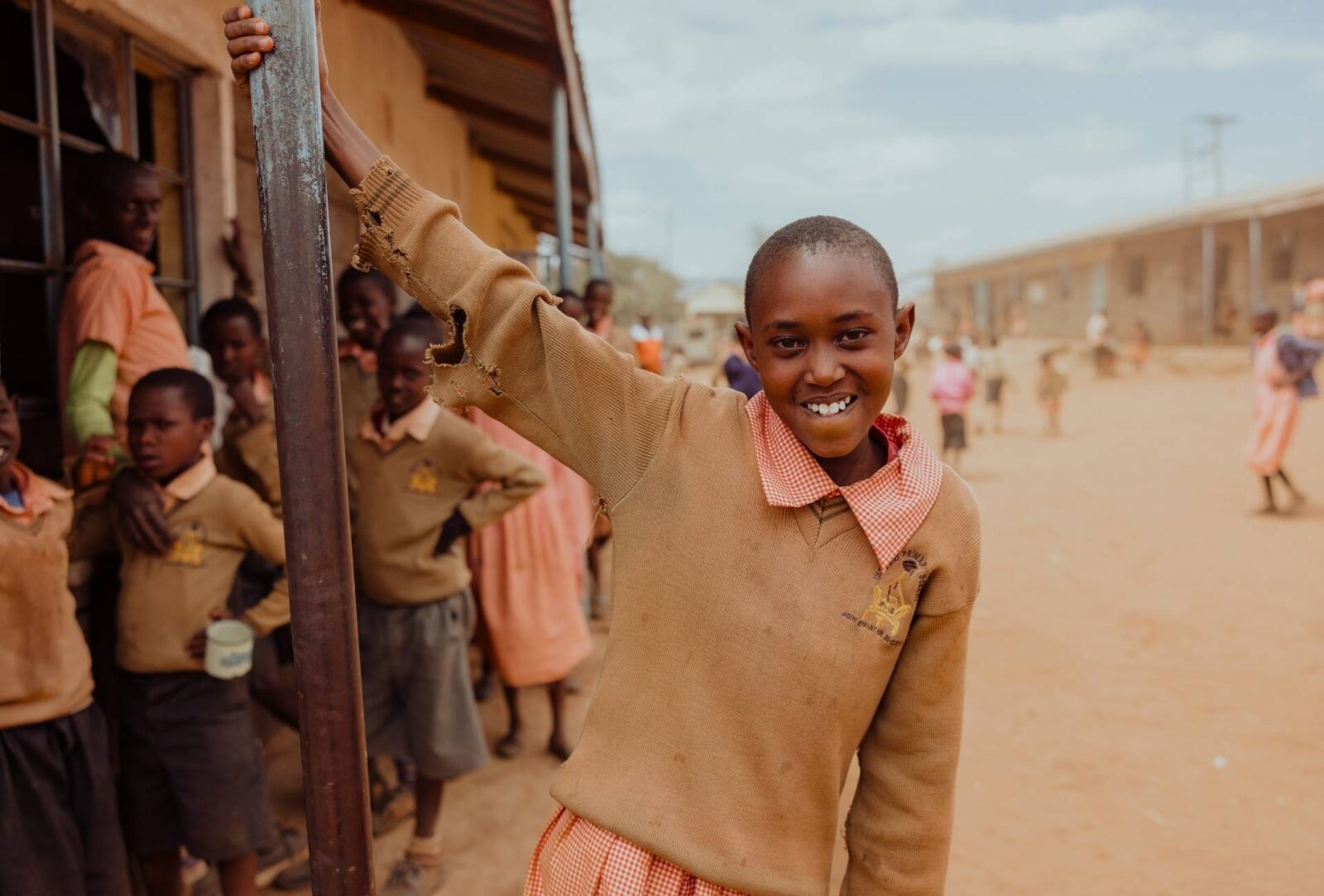

08 ANNEXES
| Income | Budget 2026 | Result 2025 | Budget 2025 |
|---|---|---|---|
| Income from private individuals | 5,914,120 | 5,814,161 | 5,635,947 |
| Income from companies | 286,338 | 308,786 | 353,552 |
| Income from government grants | 22,299,095 | 25,197,830 | 21,719,508 |
| Income from affiliated non-profit organisations | 0 | 173,520 | 529,000 |
| Income from other non-profit organisations | 6,091,457 | 5,459,086 | 6,500,138 |
| Total income raised | 34,591,009 | 36,953,384 | 34,738,145 |
| Other income | 0 | 7 | 0 |
| Total Income | 34,591,009 | 36,953,390 | 34,738,145 |
| Expenditure | Budget 2026 | Result 2025 | Budget 2025 |
| Expenditure on objectives | |||
| Contributions to aid programmes | 30,826,902 | 34,525,428 | 32,349,031 |
| Awareness raising and advocacy | 1,443,147 | 1,303,862 | 1,338,481 |
| Total expenditures on objectives | 32,270,050 | 35,829,290 | 33,687,512 |
| Costs of raising income | 1,885,934 | 1,653,387 | 2,343,576 |
| Management and administration costs | 984,025 | 947,755 | 735,871 |
| Total expenditure | 35,140,009 | 38,430,432 | 36,766,959 |
| Net result before financial income and expenditures | -549,000 | -1,477,041 | -2,028,814 |
| Net financial income and expenditure | 50,000 | 133,741 | 0 |
| Net result | -499,000 | -1,343,301 | -2,028,814 |
| Mutation to funds and reserves | 187,000 | 1,566,399 | 1,784,000 |
| Adjusted result | -312,000 | 223,098 | -244,814 |
| Appropriation of net result | |||
| Added / charged to: Continuity reserve | -312,000 | 223,098 | -244,814 |
| Added / charged to: Special purpose reserves | -46,000 | -86,390 | -79,000 |
| Added / charged to: Special purpose funds | -141,000 | -1,480,009 | -1,705,000 |
| Net result | -499,000 | -1,343,301 | -2,028,814 |
8.2 Giro555 disclosure
Giro555, of which World Vision Nederland is a member, brings together leading Dutch aid charities to raise funds quickly and efficiently at times of humanitarian crisis abroad. In FY25 we spent funds from campaigns Syria Türkiye Earthquake– and Middle East Crisis appeal. Expenditures as show by implementing organisations show the amounts spent on site. The actual commitments done to the implementing partners by World Vision Nederland for the Middle East Crisis appeal were 1,038,914.
Disclosure national campaign Giro555: Syria Türkiye Earthquake
| Income | Reporting year | Up to and including reporting year |
|---|---|---|
| Income from third party actions | 0 | 7,517,952 |
| Interest | ||
| Total income | 0 | 7,517,952 |
| Cost of preparation and coordination (in total 7%) | 2,264 | 526,256 |
| Total available for aid activities | -2,264 | 6,991,696 |
| Expenditure | ||
| Understanding expenditure in the field: | ||
| Expenditure on site by implementing organisation | 1,709,122 | 6,991,696 |
| Field expenses by the international umbrella organisation | ||
| Expenditure on site by Giro555 participant | ||
| Total expenditure | 1,709,122 | 6,991,696 |
Disclosure national campaign Giro555: Middle East Crisis Appeal
| Income | Reporting year | Up to and including reporting year |
|---|---|---|
| Income from third party actions | 1,154,349 | 1,154,349 |
| Interest | ||
| Total income | 1,154,349 | 1,154,349 |
| Cost of preparation and coordination (in total 10%) | 115,435 | 115,435 |
| Total available for aid activities | 1,038,914 | 1,038,914 |
| Expenditure | ||
| Understanding expenditure in the field: | ||
| Expenditure on site by implementing organisation | 845,383 | 845,383 |
| Field expenses by the international umbrella organisation | ||
| Expenditure on site by Giro555 participant | ||
| Total expenditure | 845,383 | 845,383 |